Key Takeaways
- XRP wallets operate using public and private keys. The public key is your wallet address, while the private key grants ownership and control over your XRP.
- Hardware wallets offer the highest security but can be costly and complex. Examples include Ledger Nano X and Trezor’s Safe models.
- Software wallets are convenient and easy to use but carry higher security risks. Popular options include Atomic Wallet and MetaMask with the XRP Ledger Snap. Exchanges such as Coinbase also store XRP, but they hold the keys for you.
What Is An XRP Wallet?
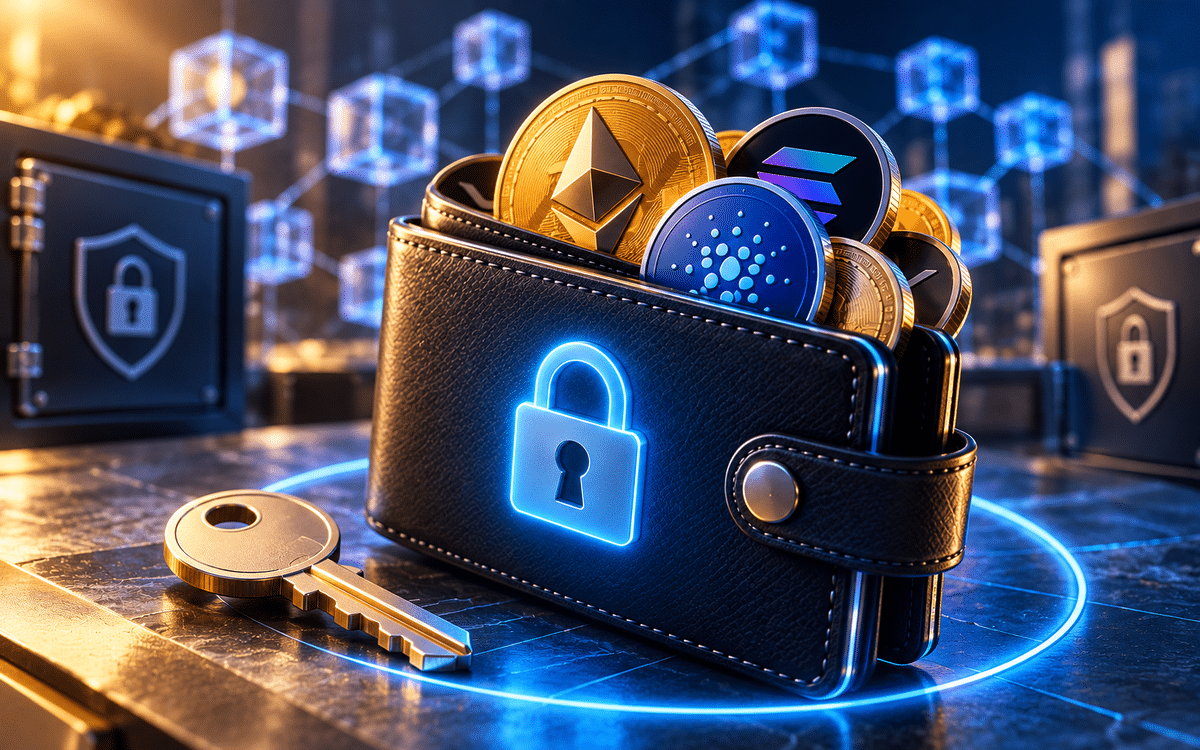
Securing your XRP holdings requires a reliable XRP wallet. This digital tool allows you to store, send, and receive XRP tokens. Just like other cryptocurrencies, XRP wallets operate using public and private keys. The public key is your wallet address, while the private key grants ownership and control over your XRP.
Never share your private key. Losing or compromising it results in permanent loss of your XRP.
Types Of XRP Wallets
There are three primary types of XRP wallets:
- Hardware Wallets: These physical devices offer the highest security by storing your private key offline. While they are more expensive and challenging to set up, they protect against digital threats.
- Software Wallets: Available for desktops and mobile devices, software wallets offer varying levels of security and convenience. Desktop wallets generally provide higher security, while mobile wallets prioritize accessibility.
- Paper Wallets: A low-cost option involving printing your wallet information, paper wallets offer high security if stored properly. However, they are susceptible to physical damage and loss.
Choosing the right XRP wallet depends on your specific security needs and preferences. Before making a decision, carefully consider the pros and cons of each type.
Top 8 XRP Wallets In 2026
Ledger Nano X
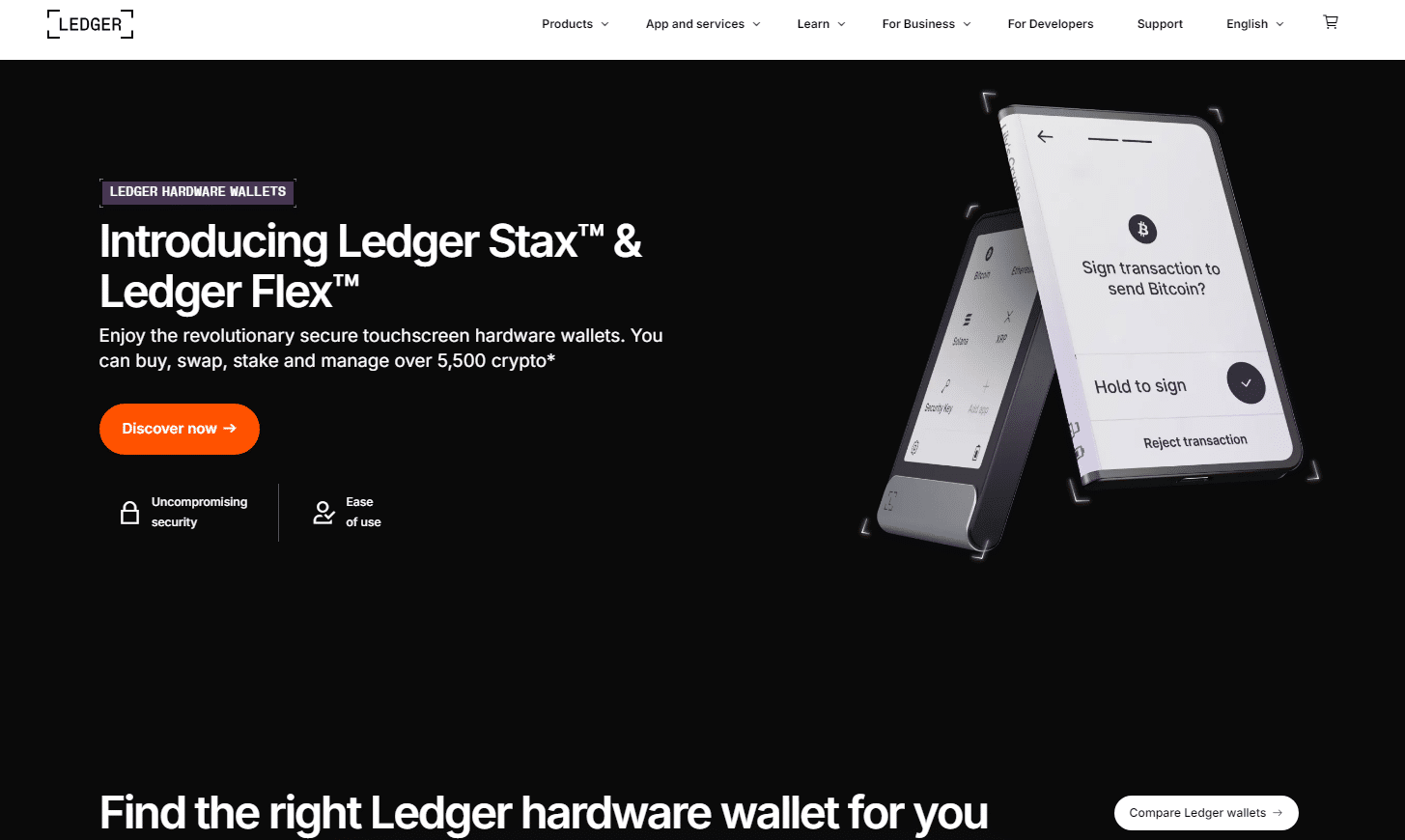
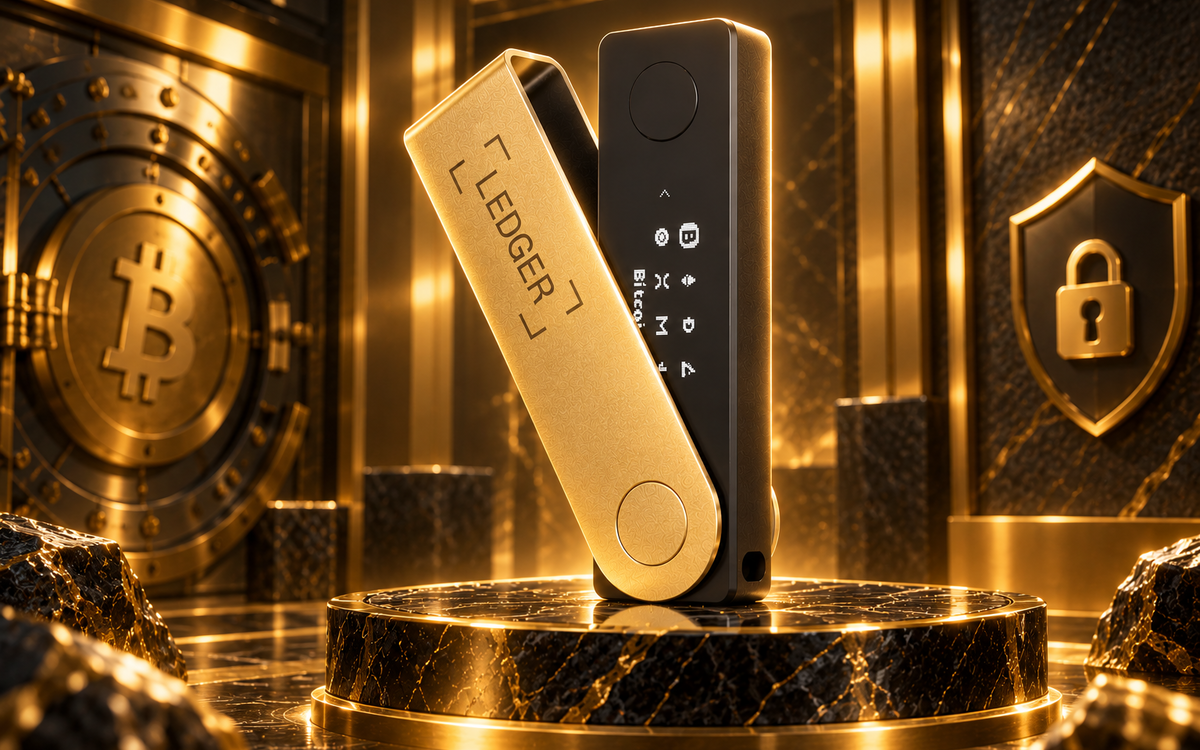
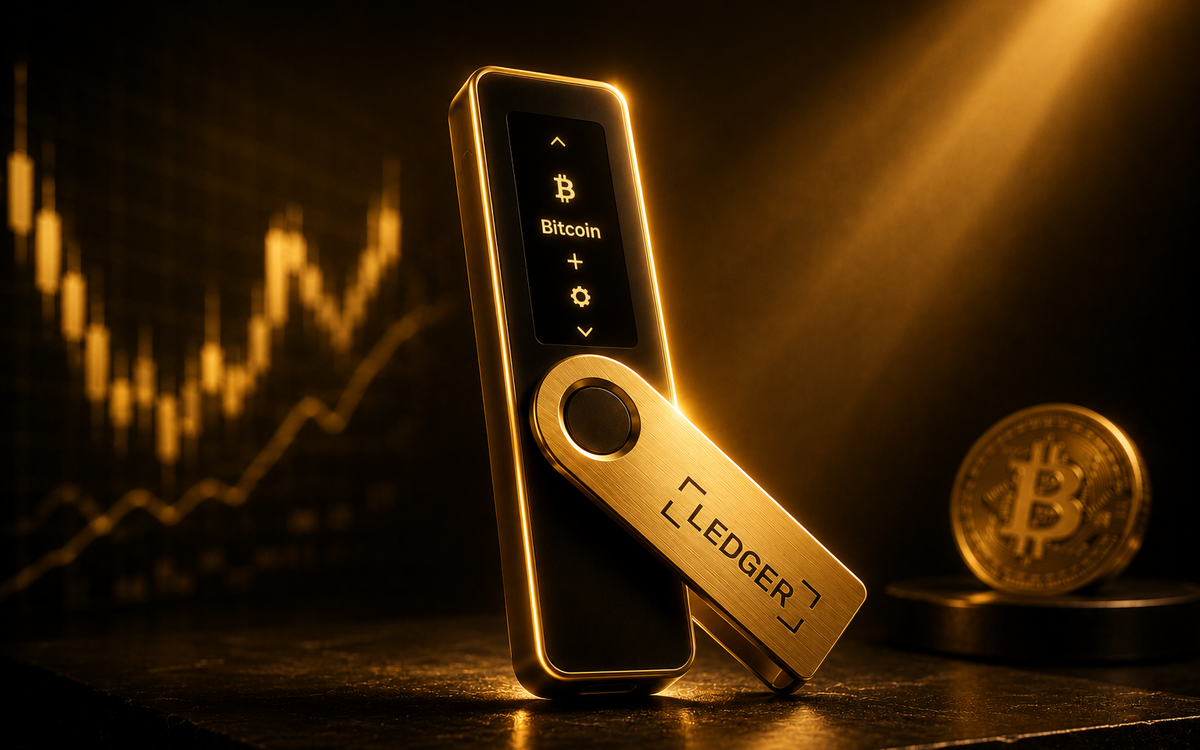
Ledger Nano X is a leading choice for securely storing XRP. Its advanced security features and user-friendly design make it a popular option among crypto enthusiasts. While it represents an investment, the enhanced protection it provides for your digital assets can be worthwhile. You manage XRP on it in Ledger Wallet, the app Ledger renamed from Ledger Live in October 2025.
Binance
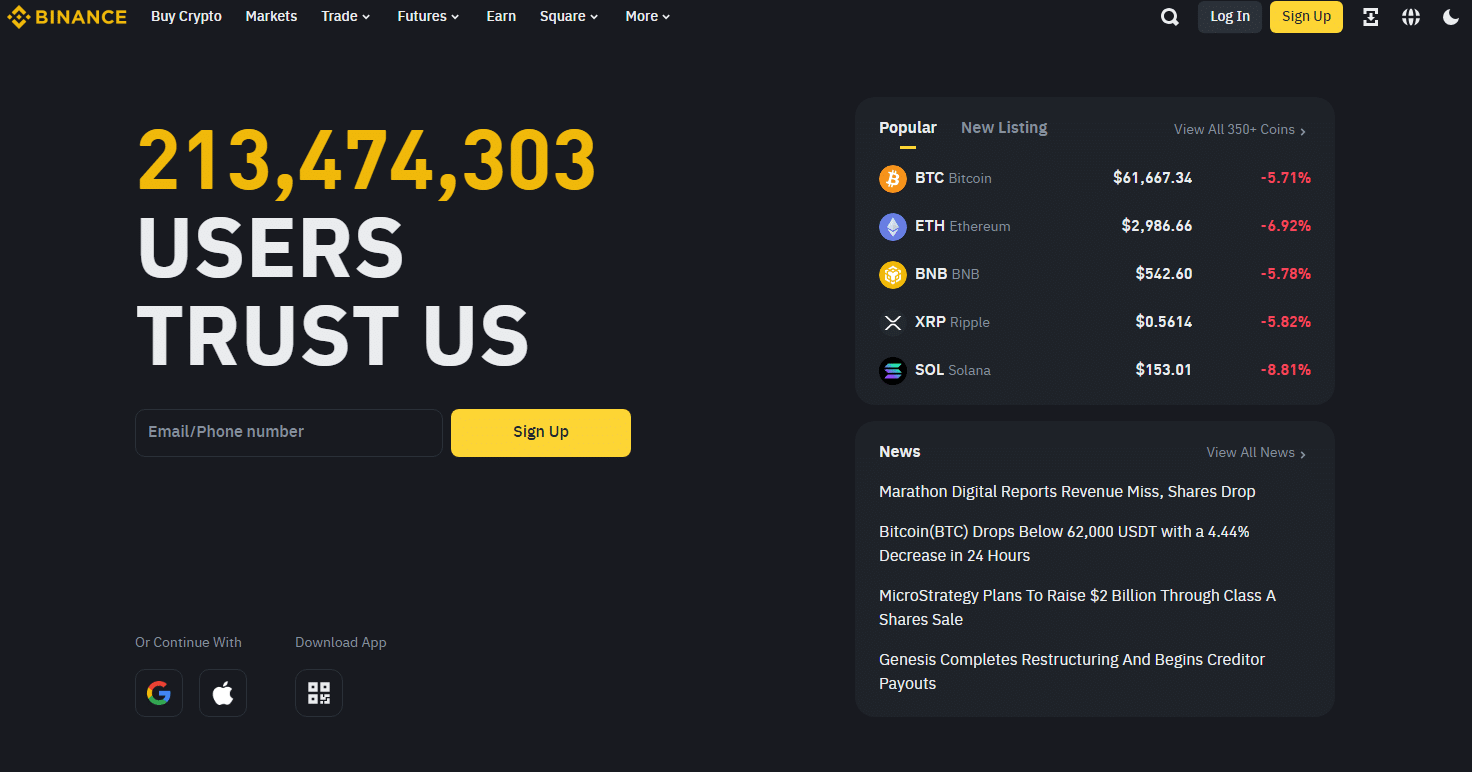
Binance offers a strong platform for XRP trading and storage. While not a dedicated XRP wallet, Binance provides multiple wallet options to suit different user needs. XRP you buy on Binance stays in your exchange account, where Binance holds the keys. Its self-custody wallet, formerly Binance Web3 Wallet, has been called Binance Wallet since December 2024.
Binance can be challenging for new users, and its fiat deposit and withdrawal options depend on your country. It has also faced regulatory issues in certain countries.
Trezor Model T
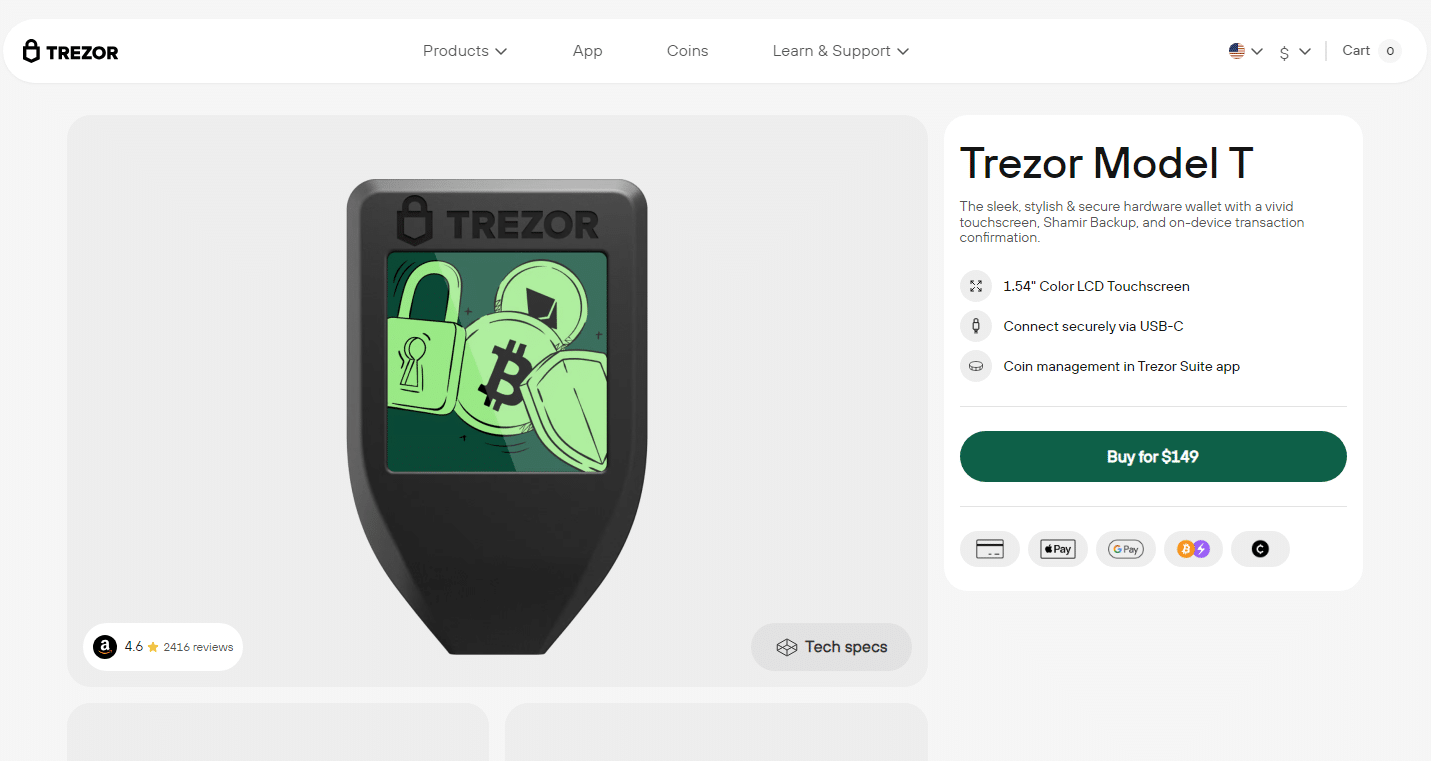
Trezor Model T offers solid security for your XRP holdings. Its advanced features, including a touchscreen and passphrase protection, protect against digital threats. While it represents a higher investment, the enhanced security makes it a popular choice for serious cryptocurrency investors.
Trezor stopped selling the Model T in its online shop on January 8, 2026. Existing devices keep working, with software updates planned until at least 2031 and critical security fixes until at least 2036. Trezor’s current Safe 3, Safe 5 and Safe 7 also hold XRP in the Trezor Suite app. Trezor lists no XRP support for the older Model One.
MetaMask
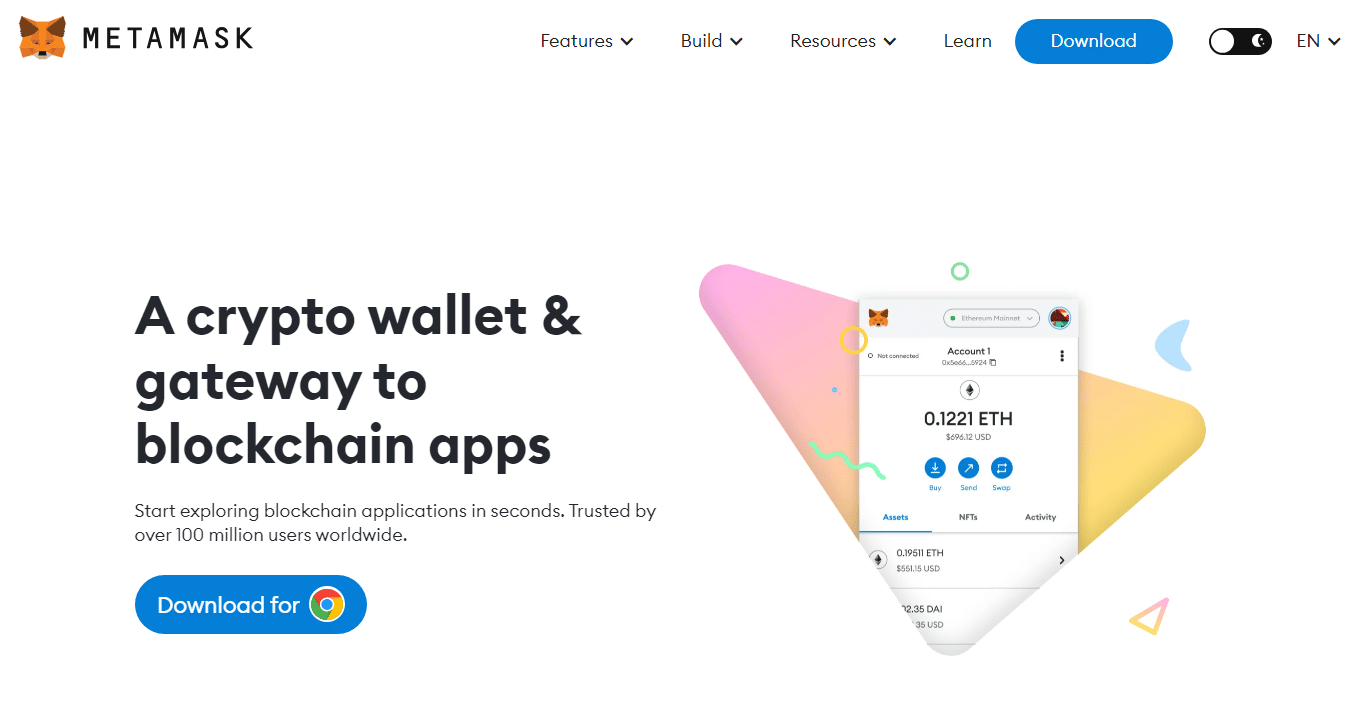
MetaMask offers convenient access to the Ethereum ecosystem but prioritizes user responsibility. As a non-custodial wallet, it places full control and security in the user’s hands. While user-friendly, it requires a strong understanding of crypto security to protect your assets effectively.
To use MetaMask for XRP, you add the XRP Ledger Snap, an add-on built by Peersyst. It lets MetaMask create and sign XRP Ledger transactions, so you can send and receive XRP.
Coinbase
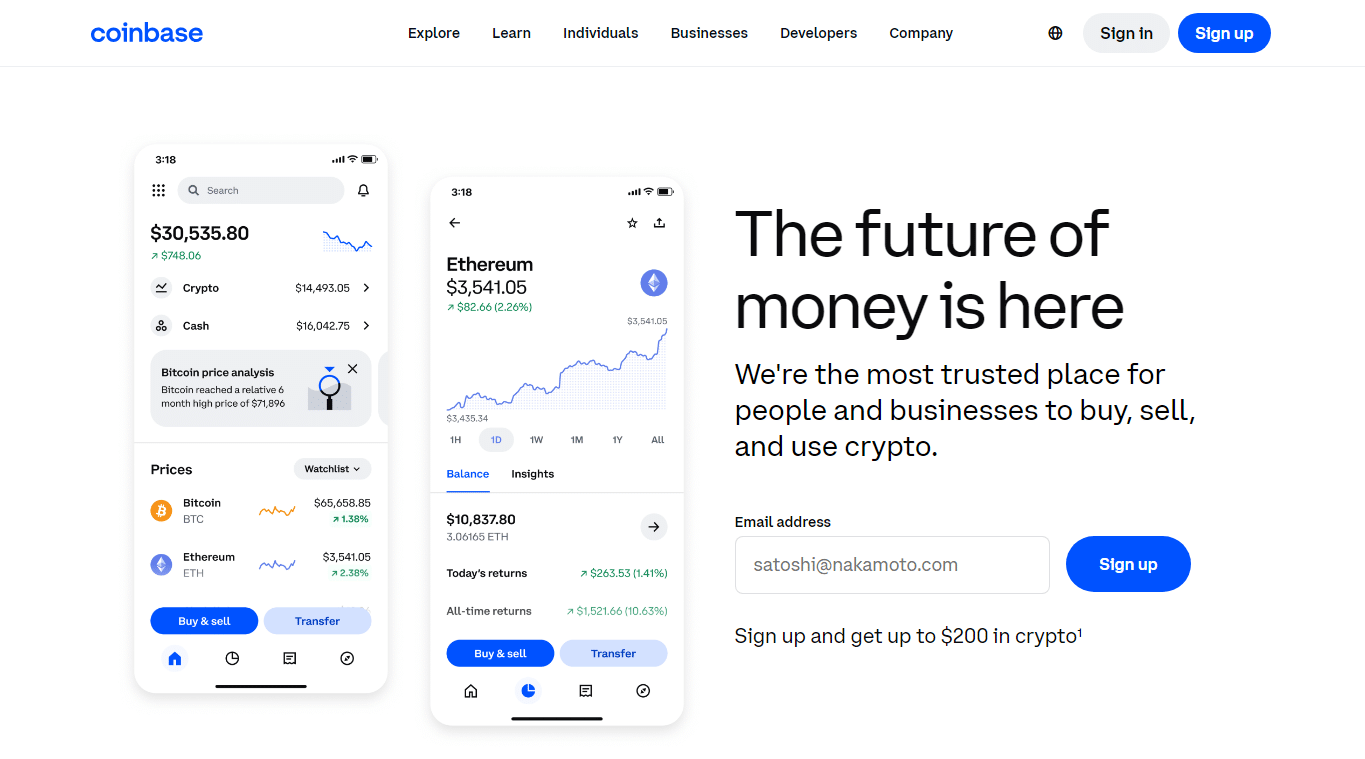
Coinbase is a popular platform for buying, selling, and storing XRP. Known for its user-friendly interface, It caters to beginners and experienced traders. While it offers a convenient on-ramp to the crypto world, users should know it has potentially higher transaction fees than other platforms. However, Coinbase’s fee structure and potential regulatory challenges in certain regions are factors to consider.
Crypto.com
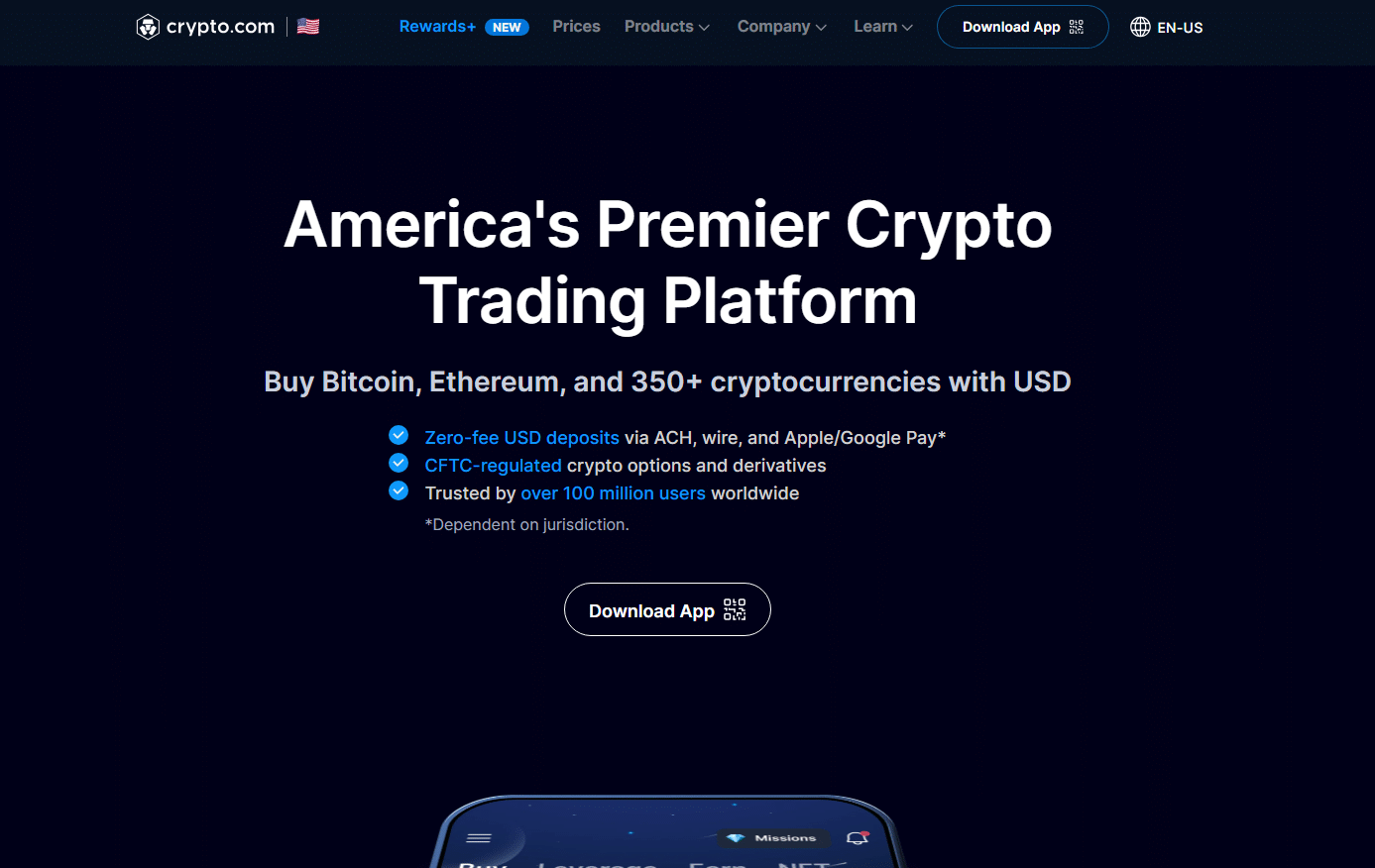
Crypto.com offers a platform for cryptocurrency users. In addition to simple storage, it provides features like spending with a crypto-backed card, earning interest on holdings, and accessing crypto loans. While these additional services expand the platform’s appeal, users should carefully consider trading fees and the volatility of rewards before fully embracing them.
XRP Paper Wallet
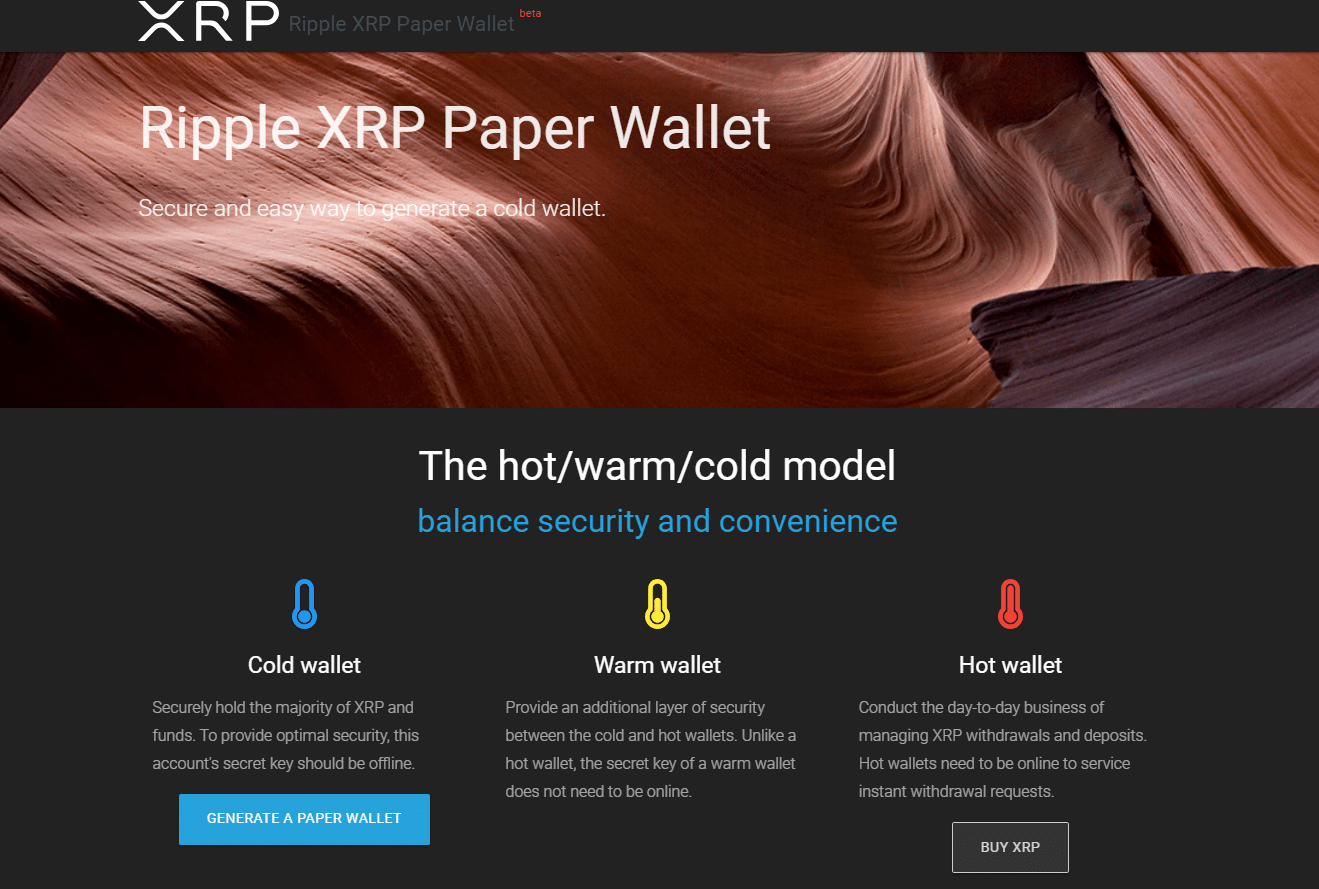
Paper wallets provide a secure, offline method for storing XRP. By removing digital access points, paper wallets significantly reduce the risk of hacking. However, they require careful handling to prevent loss or damage. Consider creating multiple backups for added protection.
The XRP Ledger only activates a new address once it holds at least 1 XRP, the base reserve, and you cannot send that 1 XRP out while the account exists. Each trust line or other object the account owns reserves another 0.2 XRP. XRP Paper Wallet is an independent tool, not run by Ripple, and its code is on GitHub.
Atomic Wallet
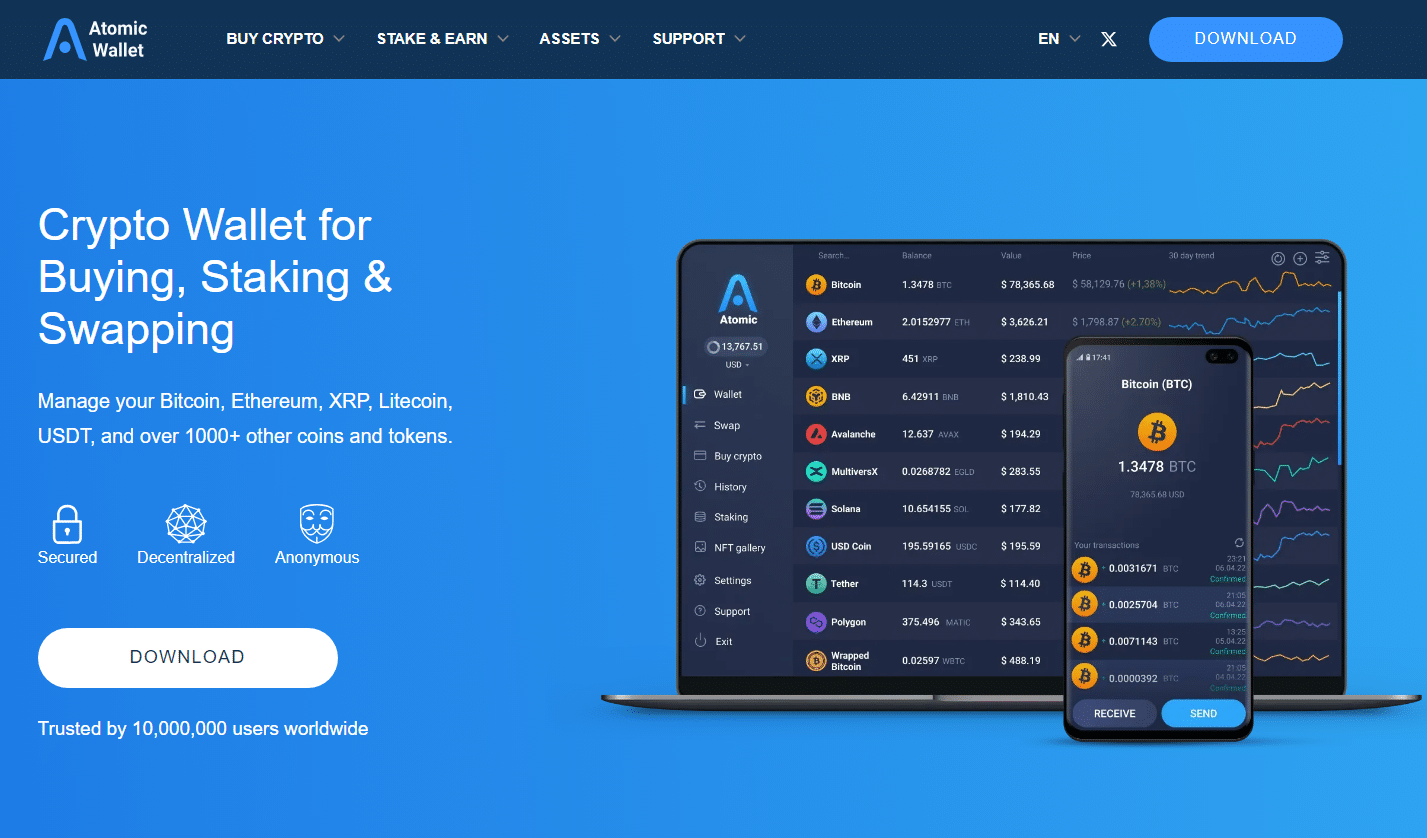
Atomic Wallet provides a user-friendly platform for managing multiple cryptocurrencies, including XRP. Its decentralized architecture prioritizes user privacy. However, it lacks hardware wallet integration, a key security feature for some users.
In June 2023, hackers stole at least $35 million from Atomic Wallet users. Blockchain analytics firm Elliptic linked the theft to North Korea’s Lazarus Group. Atomic Wallet still operates and supports XRP on desktop and mobile.
Hardware, Software, or Paper XRP Wallet?
Securing your XRP investment requires careful wallet selection. Hardware wallets offer the highest security but come at a premium, while software wallets provide convenience at the cost of increased risk. Paper wallets are a low-cost option but demand careful handling.
When choosing an XRP wallet, consider factors like security needs, budget, and desired level of control. Securing your private keys is essential to protecting your digital assets.
Check out these related articles.