
Key Takeaways:
- Wallets like Trust Wallet and Phantom support networks like Solana and Polygon for sub-second transfers under $0.01
- Lightning Network wallets like Electrum enable instant Bitcoin transfers with fees below $0.01 versus 10-60 minutes for regular Bitcoin
- Dedicated remittance apps like Coins.ph and Binance Pay combine wallet functionality with instant fiat conversion
Traditional crypto wallets take 10-60 minutes for Bitcoin transfers. Ethereum runs 1-5 minutes with $5-20 fees during busy times. These speeds and costs don’t work for remittances where recipients need money now. Fast remittance wallets use modern blockchains settling in seconds for pennies.
Speed matters more than anything for remittances. Your recipient in the Philippines or Mexico needs to pay bills today. Waiting an hour for Bitcoin confirmation or paying $15 in Ethereum gas kills the deal. Modern wallets support networks designed specifically for fast, cheap transfers.
Which Non-Custodial Wallets Offer the Fastest Transfers?
Non-custodial wallets let you control private keys while supporting fast blockchain networks. These balance security with speed. You maintain full custody without sacrificing transaction speed that makes crypto remittances viable.
How Do Multi-Chain Wallets Compare?
Trust Wallet supports Solana, Binance Smart Chain, and Polygon for fast transfers. Solana transactions settle in under 2 seconds for fractions of a cent. You send USDC on Solana and your recipient gets it almost instantly.
The mobile-first interface makes sending money simple. You scan QR codes or paste addresses. Transaction history shows confirmations in real-time. Over 100 blockchains work through one app without switching wallets.
Built-in DEX functionality lets you swap between tokens before sending. Convert whatever crypto you hold into stablecoins for remittances. The swap happens in-app without visiting external exchanges. This streamlines the entire process from purchase to send.
MetaMask expanded beyond Ethereum to support Polygon and Binance Smart Chain. Polygon transfers complete in 3-5 seconds with $0.01 fees. You avoid Ethereum’s slow speeds and high costs entirely.
The wallet works as a browser extension and mobile app. Web3 integration means you can use DeFi platforms directly. Recipients convert received stablecoins through decentralized exchanges. MetaMask dominates with over 30 million monthly users globally.
Exodus manages 250+ cryptocurrencies with built-in exchange features. The interface stays beginner-friendly despite supporting so many assets. You send on fast networks like Solana or Polygon without understanding technical details. Desktop and mobile versions sync seamlessly.
What About Specialized Fast Networks?
Phantom Wallet dominates Solana transfers with sub-second finality. Solana handles 65,000 transactions per second. Network fees stay under $0.001 regardless of congestion. This consistency beats Ethereum’s unpredictable gas spikes completely.
The wallet integrates with Solana DeFi platforms smoothly. Recipients can swap received SOL or USDC instantly. NFT support adds functionality beyond just remittances. Phantom’s clean interface makes it the go-to for Solana users.
Electrum Wallet supports Bitcoin’s Lightning Network for instant transfers. Regular Bitcoin takes 10-60 minutes settling. Lightning settles in under 5 seconds for sub-cent fees. You open payment channels once then send unlimited transactions.
Lightning Network adoption grows monthly across Latin America and Asia. Recipients convert Lightning Bitcoin to local currency through compatible exchanges. The technology scales Bitcoin for actual payments versus just store of value. For more wallet options, check our guide to self-custodial wallets.

Which Platforms Combine Wallets With Remittance Features?
Dedicated remittance platforms integrate wallet functionality with instant fiat conversion. These handle the complete flow from your dollars to recipient’s local currency. Everything happens in one app without switching between multiple services.
Coins.ph leads Philippine remittances with instant peso conversions. The wallet holds crypto briefly while converting to local currency. Recipients get bank transfers, GCash credits, or cash pickup. Over 30,000 locations nationwide offer cash collection.
The app supports multiple cryptocurrencies including Bitcoin and USDC. Transfers complete in minutes versus hours or days. Fees run around 1% total for the complete service. This beats traditional remittance companies charging 5-8% easily.
Binance Pay enables instant zero-fee transfers between Binance users. You send crypto using just email or phone number. No wallet addresses or network selection needed. The recipient gets funds instantly in their Binance account.
The service works across all cryptocurrencies supported by Binance. Recipients can hold crypto or convert to local currency immediately. P2P marketplace integration means easy fiat conversion. Everything stays within the Binance ecosystem for maximum simplicity.
Rebit.ph specializes in Bitcoin-to-peso conversions for Philippines. You send Bitcoin and recipients get pesos automatically. The platform handles all conversions and delivers to local banks. Processing completes same-day for most transfers.
Lower fees than Coins.ph make Rebit.ph attractive for Bitcoin holders. The platform focuses specifically on remittances versus general crypto services. This specialization keeps costs down and reliability high. For detailed guidance, see our article on sending money to the Philippines using crypto.
How Do Regional Platforms Compare?
Abra provides P2P transfers using crypto as the backend. You send in dollars and recipients get local currency. The app converts through Bitcoin or stablecoins automatically. Neither party needs to understand crypto mechanics.
The mobile-first design works globally across 150+ countries. Bank account linking enables easy deposits and withdrawals. Fees stay competitive with specialized remittance services. Abra particularly serves Asian and Latin American corridors well.
Grey targets freelancers receiving international payments. Clients send USDC from anywhere globally. You receive funds within minutes to your Grey wallet. Convert to local currency and withdraw to your bank. The entire process takes under an hour typically.
The platform emphasizes speed for gig economy workers. Traditional international wires take 3-5 days. PayPal charges 3-5% plus poor exchange rates. Grey’s crypto infrastructure beats both on speed and cost. For managing freelance income, explore our guide to best crypto-focused freelance platforms.
Which Blockchain Networks Enable Speed?
The underlying blockchain determines transfer speed more than wallet choice. Wallets simply connect to these networks. Understanding which networks deliver speed helps you pick compatible wallets.
Solana settles transactions in under 2 seconds with 400-millisecond block times. The network handles 65,000 transactions per second currently. Fees stay under $0.001 consistently. This speed and low cost make Solana ideal for remittances.
USDC and USDT stablecoins work natively on Solana. You send stablecoins without worrying about price volatility. Recipients get exactly what you sent within seconds. Major exchanges support Solana deposits and withdrawals now.
XRP (Ripple) was designed specifically for cross-border payments. Transactions settle in 3-5 seconds. Network fees cost $0.0002 per transaction. Banks and remittance companies use XRP for international settlement already.
The XRP Ledger handles 1,500 transactions per second. This capacity prevents congestion even during peak usage. Ripple’s partnerships with financial institutions mean growing adoption. Recipients can convert XRP easily through many platforms.
Polygon processes transactions in 3-5 seconds with $0.01 fees. The Ethereum sidechain provides compatibility with Ethereum tools. But transactions settle much faster and cheaper. USDC on Polygon combines stability with speed perfectly.
Network comparison for a $500 stablecoin remittance:
- Solana: Under 2 seconds settlement, $0.001 fee
- XRP Ledger: 3-5 seconds settlement, $0.0002 fee
- Polygon: 3-5 seconds settlement, $0.01 fee
- Bitcoin Lightning: Under 5 seconds, $0.001 fee
- Ethereum: 1-5 minutes, $5-20 fee
For understanding blockchain choices, see our guide on Bitcoin stablecoin remittances.
How Do Hardware Wallets Support Fast Transfers?
Hardware wallets provide maximum security while supporting fast networks. These physical devices keep private keys offline. You connect only when making transactions. Modern hardware wallets support all major fast blockchains.
Ledger Nano X connects via Bluetooth to mobile devices. You approve transactions by physically pressing buttons. The device supports Solana, Polygon, and other fast networks. Ledger Live app manages everything from your phone.
The Bluetooth functionality enables mobile remittances with hardware security. You don’t sacrifice speed for security anymore. Transactions still confirm in seconds while keys stay protected offline. This balance works perfectly for frequent remittance senders.
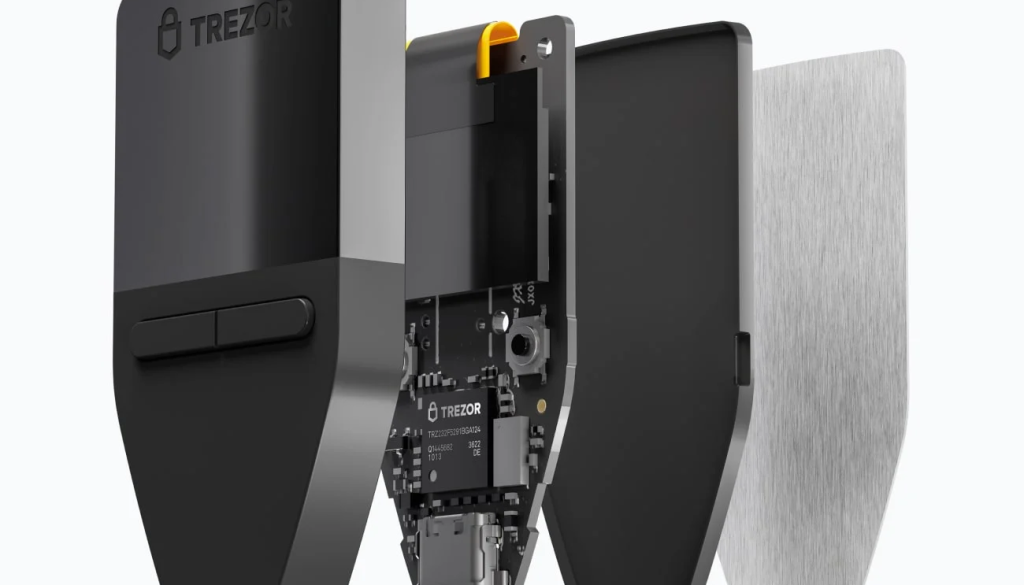
Trezor Safe 3 supports 1,400+ cryptocurrencies including fast network tokens. The touchscreen interface simplifies transaction approval. You verify details before confirming sends. Open-source firmware means anyone can audit security.
Both hardware wallets now support mobile connectivity. You send remittances from your phone with hardware-level security. The devices cost $60-150 but protect large holdings. For anyone sending regular remittances, this investment pays off quickly. For more options, check our article on top NFC crypto hardware wallets.
What Should You Consider When Choosing?
Wallet choice depends on your specific remittance corridor and frequency. Different regions favor different platforms. Your recipient’s location determines which wallet and network combination works best.
Philippines recipients prefer Coins.ph or Rebit.ph for direct peso conversion. Mexican recipients use platforms supporting OXXO cash pickup. Asian corridors generally favor USDT on TRON. Latin American routes often use USDC on Stellar or Polygon.
Transaction frequency affects whether hardware wallet investment makes sense. Sending monthly remittances justifies hardware security. One-time transfers work fine with mobile wallets. Your risk tolerance and amounts sent guide this decision.
Network availability at recipient’s platform matters most. Your wallet must support networks the recipient’s exchange accepts. Sending Solana USDC to a TRON-only exchange fails completely. Verify compatibility before choosing wallets and networks.
Security requirements scale with amounts sent. Transferring $200 monthly works fine with hot wallets. Moving $2,000 monthly belongs on hardware wallets. The 10x increase in amount justifies 10x increase in security measures. For complete security practices, review our guide on understanding wallet security.