Key Takeaways:
- ZK rollups vs. Optimistic rollups now show similar user experience speeds in 2026
- ZK rollups achieve withdrawal finality in minutes compared to 7-day Optimistic delays
- Gas fees dropped to $0.005-$0.01 range for both rollup types after EIP-4844
The performance gap between ZK Rollup vs. Optimistic Rollup narrowed dramatically by 2026 through hardware acceleration for zero-knowledge proofs. Both technologies now confirm transactions in 1-2 seconds for end users. ZK rollups achieve finality in minutes while Optimistic rollups require 7-day withdrawal periods. Transaction fees stabilized between $0.005-$0.01 for routine operations across both types. Hybrid models emerged combining Optimistic speed with ZK security for different transaction types.
How Do Transaction Speed and Finality Compare?
As of February 2026, ZK rollups and Optimistic rollups confirm transactions equally fast, with soft confirmations in 1 to 2 seconds, so the main difference is withdrawal finality: ZK rollups reach on-chain finality within minutes once validity proofs are posted to Ethereum, while Optimistic rollups keep a 7-day challenge period for standard withdrawals.
What Is Soft Confirmation Speed?
Both rollup types deliver near-instant soft confirmations to users. Transactions appear confirmed within 1-2 seconds after submission. This creates identical user experiences for everyday operations like swaps or transfers.
Soft confirmations represent preliminary acceptance on Layer-2 networks. The transaction gets included in a batch and users see updated balances. No meaningful speed difference exists between technologies at this stage.
How Does Withdrawal Finality Differ?
Withdrawal finality reveals the core technical difference when comparing ZK rollups vs. Optimistic rollups. ZK rollups achieve on-chain finality within minutes or seconds once validity proofs get posted to Ethereum. Mathematical proofs guarantee transaction correctness immediately.
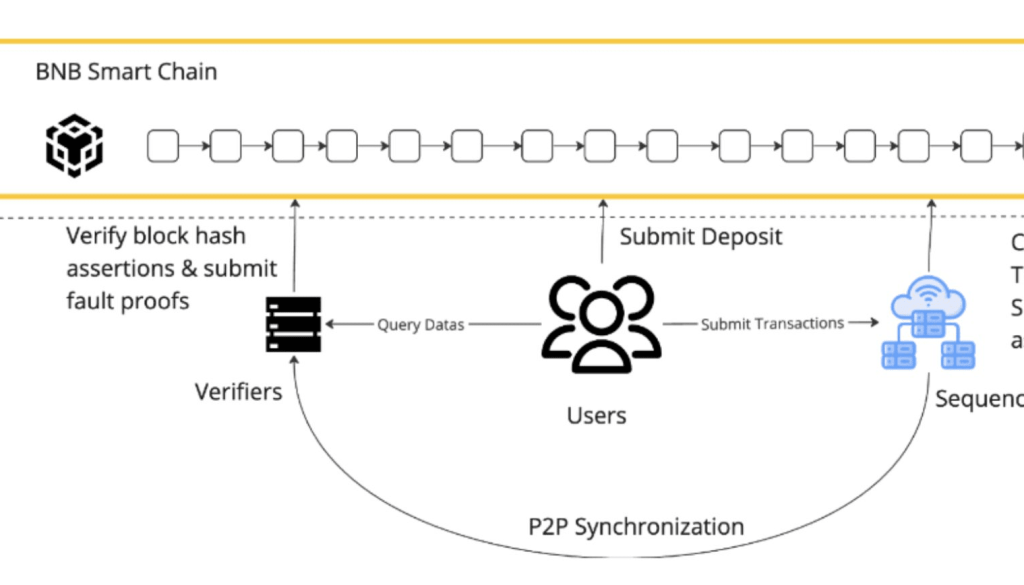
Optimistic rollups maintain 7-day challenge periods for standard withdrawals. This delay allows validators to submit fraud proofs if batches contain invalid transactions. The security model requires this waiting period for fraud detection.
Fast withdrawal bridges emerged to solve Optimistic rollup delays. Third-party liquidity providers front users the funds immediately for a small fee. These services reduce practical wait times to minutes but add costs and counterparty risks.
What Throughput Can Each Type Handle?
High-performance ZK rollups exceeded 2,000 transactions per second in 2026. Data compression techniques pack more transactions into each batch. Validity proofs verify entire batches regardless of transaction count.
Optimistic rollups like Arbitrum and Optimism deliver comparable throughput for most applications. Gaming and high-frequency DeFi operations run smoothly on both technologies. Throughput differences matter less than finality and cost for most users.

How Do Costs Compare Between Rollup Types?
As of February 2026, gas fees for routine transactions on ZK rollups and Optimistic rollups are about the same, $0.005 to $0.01, because Ethereum’s EIP-4844 upgrade cut costs for both by introducing blob data availability. ZK rollups can reach $0.001 in high-volume scenarios but face higher off-chain proof-generation costs, which fall on operators rather than users.
What Are Routine Transaction Costs?
Standard transaction fees stabilized between $0.005 and $0.01 across both rollup types in 2026. Swapping tokens, transferring assets, or interacting with DeFi protocols costs fractions of a cent. Most users consider these fees negligible.
The fee similarity results from both technologies using similar amounts of Ethereum data availability. EIP-4844’s blob space reduces the dominant cost component for all rollups. Execution differences between technologies matter less than data posting costs.
When Do ZK Rollups Become Cheaper?
ZK rollups achieve ultra-low fees of $0.001 in high-volume scenarios. Superior data compression rates shine when processing thousands of transactions simultaneously. Games with massive player bases or high-frequency trading platforms benefit most.
Amortized costs per transaction drop as batch sizes increase. A single validity proof can verify 10,000 transactions as easily as 1,000. This scalability advantage grows with adoption.
What Are Hidden Operational Costs?
ZK rollups face higher off-chain computational costs for proof generation. Specialized hardware like GPUs or ASICs runs continuously creating validity proofs. These expenses don’t appear in user-facing fees but affect operator economics.
Optimistic rollups avoid proof generation costs but face different overhead. Challenge period infrastructure requires monitoring systems and fraud proof generation capabilities. Both technologies carry operational burdens invisible to end users.
How Do Security Models Affect Users?
Security architecture fundamentally differs when comparing ZK rollups vs. Optimistic rollups. These differences create practical implications for users beyond theoretical security guarantees.
What Makes ZK Rollups Mathematically Secure?
ZK rollups use validity proofs providing mathematical certainty about transaction correctness. Cryptographic proofs verify that state transitions follow protocol rules exactly. Fraud becomes mathematically impossible without breaking underlying cryptography.
This security model eliminates reliance on external validators or economic incentives. The math either checks out or it doesn’t. No trust assumptions exist beyond Ethereum’s security and the cryptographic primitives themselves.
How Do Optimistic Rollups Ensure Safety?
Optimistic rollups assume transactions are valid unless proven otherwise. The system depends on at least one honest validator monitoring batches and submitting fraud proofs when necessary. Economic incentives encourage this monitoring through bonding mechanisms.
The security model introduces trust assumptions about validator behavior. If all validators collude or go offline, invalid transactions could finalize. However, years of operation without major incidents demonstrate the model’s practical security.
Which Approach Offers Better Capital Efficiency?
ZK rollups provide superior capital efficiency by eliminating withdrawal delays. Users access funds minutes after requesting withdrawals. No liquidity gets locked during long dispute windows.
Optimistic rollups require users accepting 7-day delays or paying fast withdrawal services. Liquidity providers lock substantial capital bridging these delays. This capital carry cost gets passed to users through fees.
How Mature Are Development Tools in 2026?
Ecosystem maturity significantly impacts developer choice when evaluating ZK rollups vs. Optimistic rollups. Tool availability determines how easily teams can build and deploy applications.
What Is zkEVM Compatibility?
zkEVM frameworks matured substantially by 2026. zkSync Era and Polygon zkEVM support most Ethereum smart contracts without modification. Developers deploy existing code with minimal changes.
Some edge cases still require adjustments. Certain opcodes or precompiles may behave differently. However, the vast majority of contracts work identically on zkEVM platforms compared to Ethereum.
How Do Optimistic Rollups Compare?
Optimistic rollups maintain slight advantages in developer tooling and documentation. Years of maturity created extensive resources, debugging tools, and community support. Developers find more examples and solved problems for common issues.
Arbitrum and Optimism offer seamless EVM compatibility without exceptions. Every Ethereum tool works identically. This 100% compatibility simplifies development and reduces unexpected issues.
What Are Hybrid Model Advantages?
Hybrid rollups emerged as a dominant 2026 trend combining both technologies. These systems use Optimistic approaches for high-volume daily transactions and ZK proofs for critical high-value settlements.
Applications route transactions based on value and urgency:
- Small Transactions: Optimistic processing for speed and cost efficiency
- Large Transfers: ZK proofs for instant finality and maximum security
- Privacy Needs: ZK technology for transaction confidentiality
- Standard Operations: Optimistic methods for familiar developer experience
This combination delivers optimal performance for diverse use cases within single ecosystems.
Which Rollup Type Fits Your Use Case?
Choosing between ZK rollups vs. Optimistic rollups depends on specific application requirements. Different projects prioritize different characteristics.
Optimistic rollups suit applications needing mature ecosystems and maximum EVM compatibility. DeFi protocols benefit from deep liquidity on Arbitrum and Optimism. Social applications and games leverage extensive tooling and documentation.
ZK rollups excel for applications requiring instant finality or privacy. High-value transactions benefit from withdrawal speed. Financial institutions prefer mathematical security guarantees. Privacy-preserving applications need ZK’s confidential transaction capabilities.
Hybrid models increasingly serve projects wanting both benefits. Platforms can offer Optimistic processing for routine operations while routing sensitive transactions through ZK proofs. This flexibility accommodates diverse user needs within unified experiences.
Frequently Asked Questions
What is the main difference between ZK rollups vs. Optimistic rollups?
ZK rollups vs. Optimistic rollups differ primarily in security models. ZK rollups use validity proofs providing mathematical certainty. Optimistic rollups assume validity unless challenged, requiring 7-day withdrawal periods for fraud detection.
Which rollup type has faster withdrawals?
ZK rollups achieve withdrawal finality in minutes after posting validity proofs. Optimistic rollups require 7-day challenge periods, though fast withdrawal bridges reduce practical wait times for fees.
Are ZK rollups more expensive than Optimistic rollups?
No, routine transaction costs are similar at $0.005-$0.01 for both types in 2026. ZK rollups can reach $0.001 in high-volume scenarios through superior data compression.
Which rollup has better EVM compatibility?
Optimistic rollups maintain slight advantages in EVM compatibility and tooling maturity. However, zkEVM frameworks like zkSync Era support most Ethereum contracts without modification by 2026.
What are hybrid rollups?
Hybrid rollups combine Optimistic processing for high-volume transactions with ZK proofs for high-value settlements. This approach delivers optimal performance across different transaction types within single ecosystems.