This article contains affiliate links. If you sign up or buy through them, UseTheBitcoin may earn a commission at no extra cost to you. It does not change what we write. Disclosure Policy
Key Takeaways
- Changpeng Zhao (CZ) launched Binance in July 2017, and within about nine months it was the largest crypto exchange by trading volume.
- In November 2023 he pleaded guilty to a US anti-money-laundering charge and stepped down as CEO. He served four months in prison in 2024, and President Donald Trump pardoned him in October 2025.
- He has no role at Binance now and calls himself a passive shareholder. Forbes put his net worth at $114.6 billion on 9 November 2026.
Who Is Changpeng Zhao?
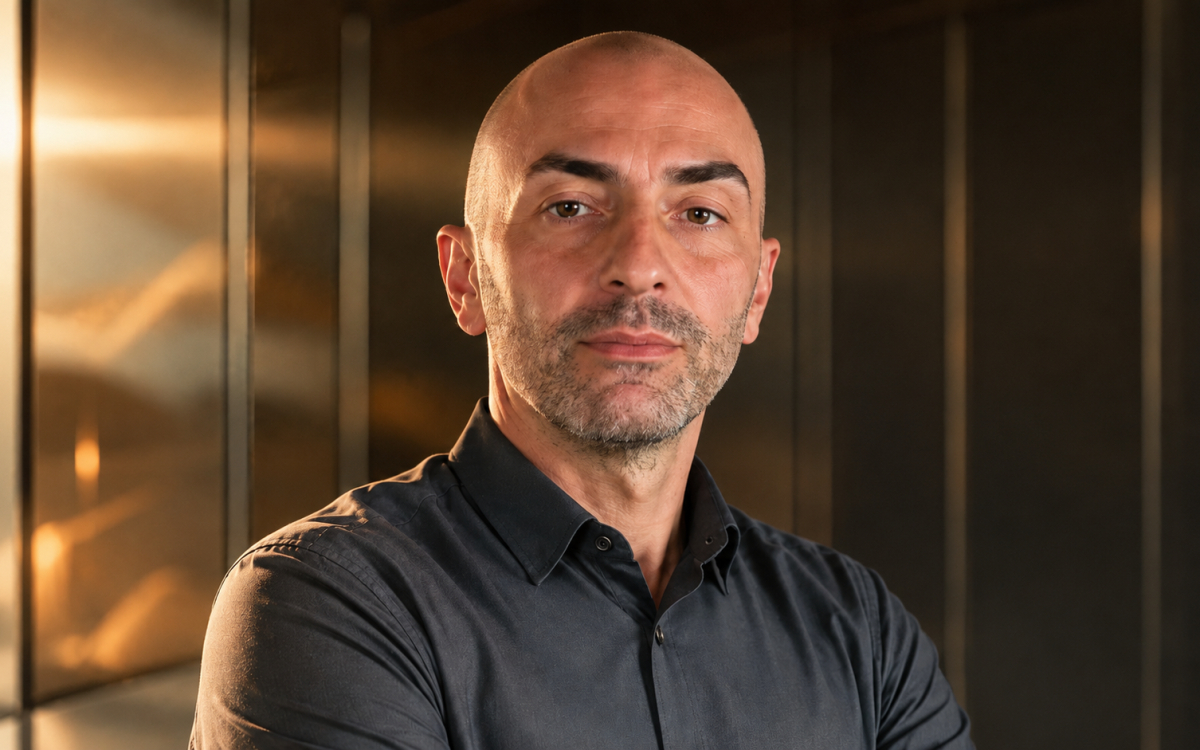
Changpeng Zhao (CZ) was born in 1977 in Jiangsu, China. In 1989, when he was 12, he moved to Vancouver, Canada, with his mother and sister to join his father, who was studying for a doctorate at the University of British Columbia. Growing up in a mix of cultures, CZ developed a deep understanding of the world, which later helped him in the cryptocurrency industry.
He was first introduced to computers when his father paid C$7,000 for a 286 computer. Zhao later studied computer science at McGill University in Montreal, but he left in 2000 without graduating when an internship in Tokyo turned into a full-time job.
Career and Journey
In Tokyo, Zhao built order-matching software for the Tokyo Stock Exchange through a subcontractor. He then spent about four years at Bloomberg Tradebook in New York, where he led the team developing futures trading software, before leaving in 2005.
In 2005 he moved to Shanghai and co-founded Fusion Systems, which built high-frequency trading systems for banks.
After leaving OKCoin in 2015, he ran Bijie Technology, which supplied trading software to about 30 Chinese crypto exchanges. The same technology later powered Binance.
First Encounter with Cryptocurrency
CZ first heard about Bitcoin in 2013, from Bobby Lee and Ron Cao over a game of poker, and soon sold his apartment in Shanghai to put about $1 million into it. He saw how it could change banking and create a fairer global economy, and he became a strong supporter of cryptocurrencies.
Believing in the power of blockchain to make a difference, Zhao focused on supporting the development and use of cryptocurrencies. He joined crypto communities, shared ideas, and debated with others, which deepened his passion and interest to make a big impact in the industry.
The Beginning of Binance
Binance launched from Shanghai in July 2017. Two months later, China banned ICOs and ordered local exchanges to stop trading, so the team moved its operations to Japan, and in March 2018 Binance announced an office in Malta. By April 2018 it was the largest crypto exchange by trading volume, and for years it said it had no single headquarters. In July 2026 Binance reported more than 323 million registered users in over 100 countries.
Key Roles Before Binance
Before starting Binance, CZ worked in big positions at several cryptocurrency exchanges. He was the head of development at Blockchain.info, a popular Bitcoin wallet provider, where he learned how cryptocurrency services operate.
CZ then joined OKCoin, one of China’s top cryptocurrency exchanges, as the chief technology officer. In this role, he helped build OKCoin’s technology and supported its growth. His experience in the cryptocurrency exchange world prepared him well for his future plans.
Changpeng Zhao’s Net Worth
Zhao is the largest shareholder of Binance. Forbes estimates he owns about 90% of the company, plus BNB tokens, and put his net worth at $114.6 billion on 9 November 2026, which ranked him 18th in the world. Binance does not publish who owns it, so the figure is an estimate, and it moves with crypto prices. In March 2025, Abu Dhabi’s MGX bought a $2 billion minority stake in Binance, the first outside investment in the company.
Challenges And Issues Faced by CZ And Binance
Like many big names in the crypto industry, Changpeng Zhao and his exchange, Binance, have faced many challenges and legal issues.
Leaving China
After China’s September 2017 ban, Binance stopped serving users in mainland China and moved its operations abroad. When Beijing tightened its crypto ban again in 2021, Binance dropped the Chinese yuan from its peer-to-peer trading service.
Security Breach
In May 2019, hackers took about 7,000 BTC, worth about $40 million at the time, from Binance’s hot wallet and also obtained user API keys and two-factor authentication codes. Binance covered the loss from its SAFU emergency fund, so users did not lose money, and it tightened its security.
Accused of Insider Trading
In March 2024, a wallet bought a large amount of the memecoin BOME shortly before Binance listed it, which led to the insider trading claims in the post above. On 18 March 2024, Binance said its review found the buyer had no connection with Binance, and it offered up to $5 million for proof of staff misconduct. A year later, in March 2025, Binance suspended an employee accused of using inside information to trade ahead of a token launch.
Regulatory Issues
Binance has faced regulatory problems in many countries. The U.S., U.K., Japan, and others, have raised concerns or taken action against the exchange. These issues often involve rules about Know Your Customer (KYC), Anti-Money Laundering (AML), licenses, and local laws.
For example, in 2021, the U.K.’s Financial Conduct Authority (FCA) warned that Binance could not offer some regulated services in the country.
In March 2023, the Moskowitz Law Firm and Boies Schiller Flexner filed a $1 billion lawsuit in Florida against Binance, Zhao and several influencers, claiming they promoted unregistered securities. Four days earlier, the U.S. Commodity Futures Trading Commission (CFTC) had sued Binance and Zhao for running an illegal derivatives exchange, and in June 2023 the SEC sued them with 13 charges.
Guilty Plea, Prison and Pardon
On 21 November 2023, Binance agreed to pay about $4.3 billion to settle US criminal charges, and Zhao pleaded guilty to one Bank Secrecy Act violation: failing to keep an effective anti-money-laundering program. He paid a $50 million fine and a separate $150 million penalty to the CFTC, and he stepped down as CEO.
On 30 April 2024, a federal judge in Seattle sentenced him to four months in prison, far less than the 36 months prosecutors had asked for. He was released on 27 September 2024. The SEC dropped its civil case against Binance and Zhao in May 2025, and in October 2025 President Donald Trump pardoned him.
Legal claims continue. In June 2026, 1,692 UK investors sued Binance and Zhao in London’s High Court, claiming Binance sold crypto derivatives in the UK without authorization.
The Future of Binance
Richard Teng, previously Binance’s head of regional markets, became CEO in November 2023 and focused on compliance and on relations with regulators. On 3 December 2025, co-founder Yi He became co-CEO alongside Teng.
Zhao has had no role at Binance since 2023. In a CNBC interview in January 2026, he said he would not return and called himself a pretty passive shareholder.
Even with legal challenges and market changes, Binance’s strong brand, global presence, and wide range of services give it a solid foundation for growth. How Binance adapts to rules, follows the laws, and changes its business model will decide its long-term success in the crypto industry.
What CZ Does Now
Since his release, Zhao has focused on investing and education. In January 2025, Binance Labs was renamed YZi Labs, the family office of Zhao and Yi He, and Zhao takes part in its investment decisions. In 2024 he launched Giggle Academy, a free learning app for young children.
In 2025 he became a strategic adviser to the Pakistan Crypto Council and a public adviser to the president of Kyrgyzstan on digital assets. In April 2026, he published a memoir, Freedom of Money, about building Binance, his case and his time in prison, much of which he wrote while serving his sentence.
Check out these related articles.