Key Takeaways:
- You can buy Ripple XRP on trusted exchanges like Coinbase, Kraken, and Binance in just a few steps.
- Storing XRP in a hardware wallet keeps your funds safe and fully in your control.
- XRP’s real use case in cross-border payments gives it an edge over most other cryptocurrencies.
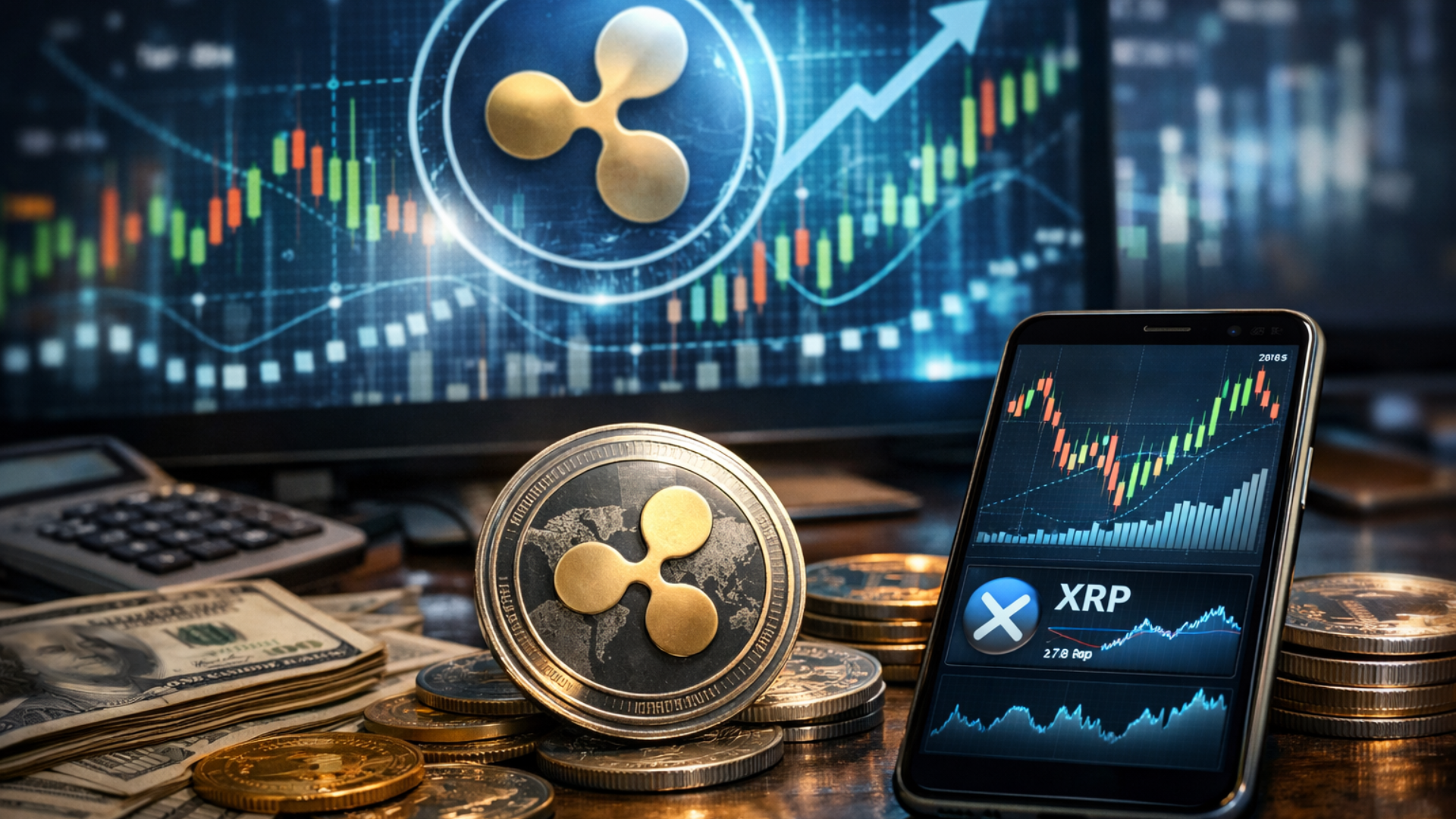
Ripple XRP consistently ranks among the top cryptocurrencies by market cap, and for good reason. It has a clear, working use case in international payments, and its price movements have attracted both active traders and long-term holders. If you want to learn how to invest in Ripple XRP, this guide covers every step from buying your first tokens to storing them safely.
How Does Ripple XRP Actually Work?
Before putting money into any asset, it helps to know what you’re buying and why it has value. XRP is the native token of the XRP Ledger, a blockchain built and maintained by Ripple Labs. Unlike Bitcoin, XRP doesn’t rely on energy-heavy mining to process transactions. Payments settle in three to five seconds and cost a fraction of a cent, making it one of the fastest and cheapest networks available.
Ripple’s main product, RippleNet, connects banks and payment providers around the world. XRP acts as a bridge currency, helping financial institutions move money across borders without needing to hold pre-funded accounts in every country they operate in. That’s a real, measurable problem it solves, and that’s why major financial players have taken notice over the years.
One important distinction to understand is that XRP and Ripple are not the same thing. Ripple Labs holds a large portion of XRP in escrow and releases up to one billion tokens per month into circulation. This structured release affects supply dynamics and, by extension, price over time.
Where Can You Buy Ripple XRP?
Most major centralized exchanges list XRP, so you have plenty of options depending on your location and preferences. Here are some reliable platforms to consider:
- Coinbase — A beginner-friendly platform that’s regulated in the US and easy to set up for first-time buyers.
- Kraken — Known for strong security practices and competitive trading fees, making it a solid pick for more experienced buyers.
- Binance — Offers deep liquidity and multiple XRP trading pairs, including XRP/USDT, with low overall fees.
- KuCoin — A good option if you want access to a wider range of altcoin pairs alongside XRP.
- Bybit — Popular for both spot trading and XRP futures if you want more advanced options.
Each platform has different fee structures, verification requirements, and regional availability. It’s worth comparing a couple before you commit to one.
How Do You Buy Ripple XRP Step by Step?
Buying XRP follows the same basic process across most exchanges, and once your account is set up, the whole process takes less than 15 minutes. Here’s how it goes:
- Create an account on your chosen exchange and complete identity verification, which usually requires a government-issued ID.
- Deposit funds using a bank transfer, debit card, or an existing crypto transfer from another wallet.
- Search for XRP in the trading section and select your preferred pair, such as XRP/USD or XRP/USDT.
- Choose your order type. A market order fills immediately at the current price. A limit order lets you set the exact price you’re willing to pay.
- Confirm your purchase and XRP will appear in your exchange wallet shortly after.
That’s the full process. Simple once your account is verified and your funds are ready to go.
How Should You Store Your XRP?
Keeping XRP on an exchange is convenient for active trading, but it carries real risks. Exchanges can get hacked, freeze withdrawals, or shut down without warning. Moving your XRP to a personal wallet gives you full ownership of your funds.
Hardware Wallets
Hardware wallets store your private keys completely offline, away from any internet connection. They’re the most secure storage option for anyone holding XRP for the long term. Here are three worth looking at:
- Ledger — Supports XRP and hundreds of other tokens. The Ledger Nano X connects via Bluetooth, which makes it easy to manage from your phone.
- Trezor — Uses open-source firmware and has a long-standing reputation for reliable security.
- Tangem — A card-style wallet that’s compact and uses NFC to connect with your phone, making it one of the most portable options available.
For a broader comparison of storage options, this guide on top crypto wallets for your digital assets covers the full range.
Software Wallets
Software wallets like Trust Wallet also support XRP and are free to download. They work well for smaller amounts or if you’re just starting out, but keeping your device secure and updated is essential. This wallet security guide breaks down what you need to watch for.
What Should You Know Before Investing in Ripple XRP?
XRP has had a complicated regulatory history that every investor should understand. In December 2020, the SEC sued Ripple Labs, claiming XRP was an unregistered security. In 2023, a federal judge ruled that XRP sold on public exchanges did not qualify as a security, which was a major win for Ripple and helped push the price significantly higher.
The legal situation has not fully resolved, though, and US regulatory policy continues to shift. Keeping up with Ripple’s legal news is a real part of managing investment risk here. Beyond regulation, a few other factors are worth watching:
- XRP’s price tends to move closely with the broader crypto market, so general sentiment plays a big role.
- Ripple Labs releases tokens from escrow on a regular schedule, which adds consistent selling pressure over time.
- Ongoing adoption of RippleNet by banks and payment providers supports long-term demand for XRP.
For more context on XRP’s position in the market, this piece on top XRP influencers and famous people who supported Ripple offers useful background.
Frequently Asked Questions
Is Ripple XRP a good investment for beginners?
XRP is one of the more accessible cryptocurrencies for new investors. It trades on most major exchanges, has low transaction fees, and has a clear real-world use case in cross-border payments. Like any crypto asset, it carries risk, so only invest an amount you’re comfortable with.
How much money do you need to start investing in Ripple XRP?
Most exchanges let you buy XRP with as little as $10, and there’s no minimum holding requirement. Starting small is a perfectly reasonable approach, especially while you’re still learning how the market behaves.
Do you need a wallet to invest in Ripple XRP?
You don’t need a personal wallet to buy XRP, but you do need one if you want full control over your funds. For long-term holders, moving XRP off an exchange into a hardware wallet is the smarter move. This guide on self-custodial wallets explains how that works in practice.
What fees should you expect when buying Ripple XRP?
Fees vary depending on the platform you use. Coinbase charges a spread plus a flat fee on smaller purchases, while Kraken and Binance generally offer lower overall trading costs. Always review the fee schedule on your chosen exchange before placing your first order so there are no surprises.