
Key Takeaways
- We have come a long way since the days of pigeons and now social media is a worldwide phenomenon.
- Decentralized social networks have no single company or entity that can control the platform or even its users.
- Most decentralized social networks are just open-source alternatives to famous Web2 social platforms like X.
After the 2023 hype around decentralized social media, many people are beginning to question whether Web3 social platforms will finally gain mainstream adoption again in 2026.
While it is somewhat hard to give a definitive answer to that question, I have gathered a list of projects that are still active in the space that you guys can research while no one is still talking about them.
I have classified these platforms as the best overall, the best decentralized alternative to X, best for creators, most censorship-resistant, best for monetization and best for communities.
Best Web3 social platforms at a glance
| Name of the platform | User base | Protocol | Signup cost | Wallet sign-in | Email sign-in |
| Hey | 665 thousand users | Lens Protocol | Free with possible onchain fees | Yes | No |
| Bluesky | 47 million users | AT Protocol | Free | No | Yes |
| Paragraph | N/A | Multichain (Ethereum, Base, Arbitrum, Polygon, BNB, Avalanche) | Free tier | Yes | Yes |
| Diamond | 130 thousand active users | DeSo blockchain | Free | Yes | Yes |
| Hive | 2.62 million registered accounts | Hive blockchain | Free | Yes | Yes |
| Towns Protocol | 1.64 million users | Base | Free | Yes | Yes |
What makes a social network ‘Web3’
I won’t deny that Web2 social media has many benefits and catching features but there is another side to consider too, such as censorship, suppression of speech, social manipulation, and even privacy concerns.
The good news is that decentralized social media aims to give users direct ownership of their data and to protect their freedom of speech.
Therefore in my opinion, a social network is considered Web3 if the platform doesn’t use users’ data for personal gain, doesn’t suspend users for having different cultures, opinions, or beliefs, and doesn’t track you for surveillance or data harvesting.
The best Web3 social media platforms
Now that we have discussed the qualities that make a social network truly Web3 and decentralized, let me introduce the best Web3 social media platforms in 2026.
Hey – Best overall

I’m putting Hey at the top of the list because it works similarly to what people have been using on traditional social media as users will be able to continue to enjoy this platform without constantly worrying about wallets and transactions or any other technical stuff. However, I do think this platform still has a long way to go before it can attract people outside of crypto.
Bluesky – best decentralized alternative to X

If you have been using X, or even before it was still called Twitter at the time, then you will have no problem of getting used to Bluesky.
The same thing with Hey, Bluesky does not force its users to learn about crypto. You can just register using an email address, start following people and start posting like you normally do on X.
The platform has a user base of 47 million users, so I think it has a big advantage over small Web3 social platforms because what is the point of joining a social network if there’s no one to interact with?
The only thing I would remind is that decentralization doesn’t mean the platform has no moderation rules, so still be on your best behavior.
Paragraph – best for creators

As someone who spends a lot of time in content writing, Paragraph would very much be appealing to writers, newsletter publishers, and independent creators.
However, I would not recommend this platform to anyone who are simply looking for a place to relax and scroll reels and shorts throughout the day. This platform means serious business here.
Diamond – most censorship-resistant
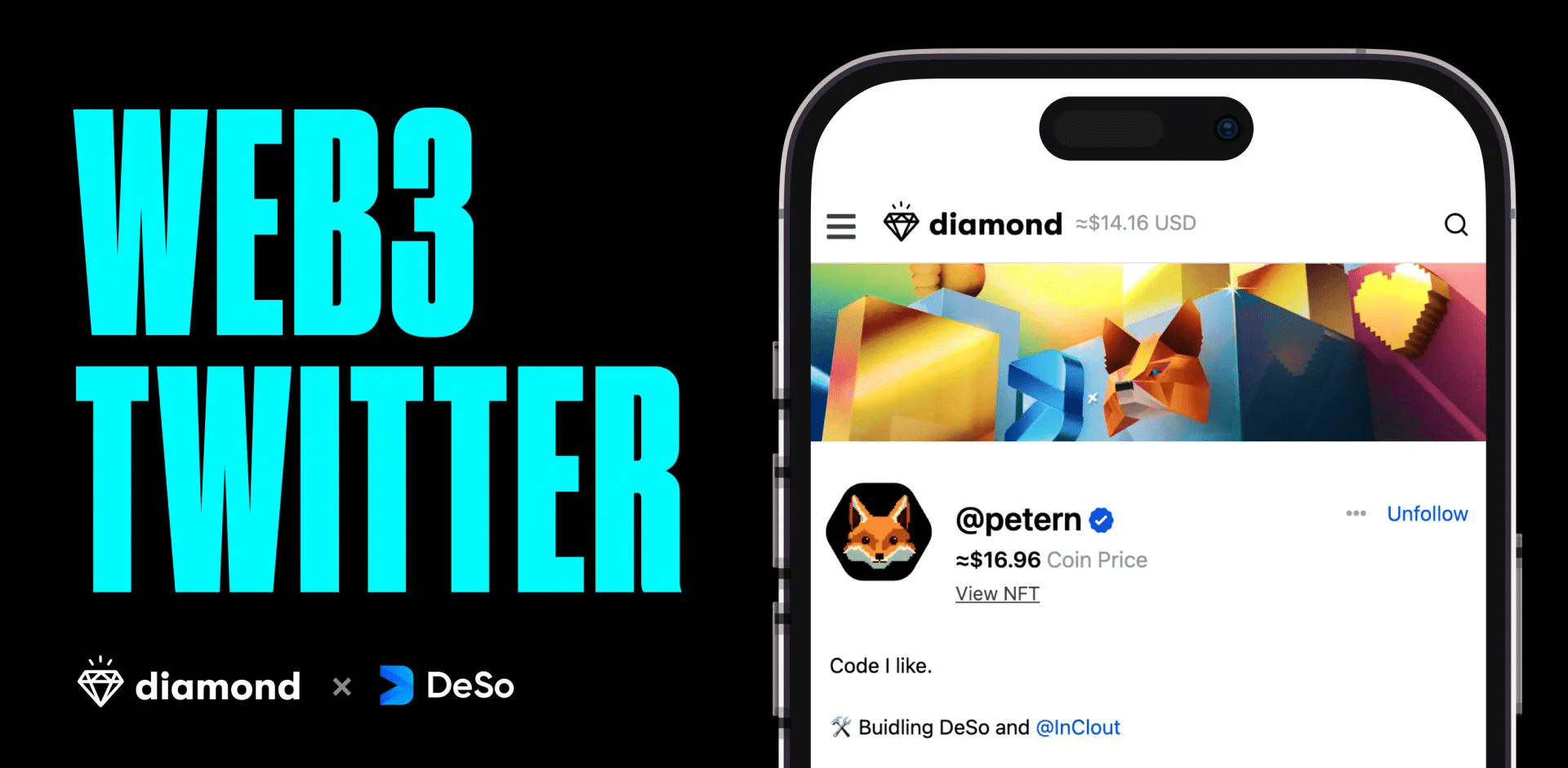
Among the six platforms, Diamond is the only Web3 social platform running on a blockchain focused on decentralized social media, called DeSo. Notably, your content on Diamond gets stored on the DeSo blockchain. So for example if the application shuts down, your content can still exist on the blockchain and still gain access through it in other applications.
Hive – best for monetization
Have you experienced creating content on a traditional platform that has gone viral but you have not earned anything from your work?
On Hive, the platform lets users earn rewards when you are publishing valuable content, engaging with fellow users, and participating in the community.
But I would like to say that every post will NOT earn you money because it will depend on how the community votes. Users with more Hive Power (the native token of the Hive Blockchain) have more influence over who gets rewarded.
If you are going to create an account on Hive, my advice is to build your account, increase your reputation and genuinely build influence. Then the rewards will follow.
Towns Protocol – Best for communities
Lastly is Towns Protocol. Community owners can create their own spaces, set membership requirements and decide which topics should be exclusive to paying members.
Personally, this project may be at the mercy of the activeness of communities and may not have a sustainable business model. You know what they say, the hardest part of building an online community is by keeping members active and giving them reasons to stay.
Yes, its decentralized features are nice, but a community is only as good as the people who actually participate in it.
How to join: wallet sign-up versus email sign-up
You might be wondering, if a Web3 platform is decentralized, then why does it have an email option for registrations?
To answer that, the platforms mentioned are considered to be startups. They are nowhere near as famous as Web2 social platforms these days. And the only way to onboard more users onto their platforms is by adding traditional email or phone number registrations.
Second, most people still don’t know how to use a Web3 wallet. I know it sounds silly like yes it’s very easy for us since we already have prior knowledge about it, but some people just don’t want to take the time to learn all this stuff.
If they think your platform is already hard enough to create a simple account, they will just go back to using the most famous platforms in Web2.
Personally, I don’t really like registering with my email address or linking my Google/Apple account and would rather use a Web3 wallet instead. Every user has their preferences!
Pros and cons versus mainstream social media
For the pros of using Web3 social media platforms, probably the biggest advantage you can get is that you can sleep at night knowing no personal data can be taken away from you because you used a Web3 wallet when creating an account.
However for the cons, it can be a bit lonely since most Web3 social apps have a smaller user base than Web2. Let’s also not forget that it costs money to operate a platform even if it is decentralized, so while X is already in its fifth update of the month, the Web3 social platform you are using still has no improvements because platform developers have no budget, are inactive, etcetera.
Frequently Asked Questions
Do you need a refresher on Web3 social media platforms? Check out the FAQs below.
Do you need crypto to use Web3 social media?
In most cases, you do not need to own or spend crypto to access Web3 social media platforms, but you do need a Web3 wallet if you don’t want to use the email sign-in option.
Can you earn money on these platforms?
Yes, but it should NOT be the main reason why you want to sign up for a Web3 social platform. I recommend building your influence first, growing your followers, and by the time you have reached full maturity of your account, then that’s the time to start thinking about monetization.