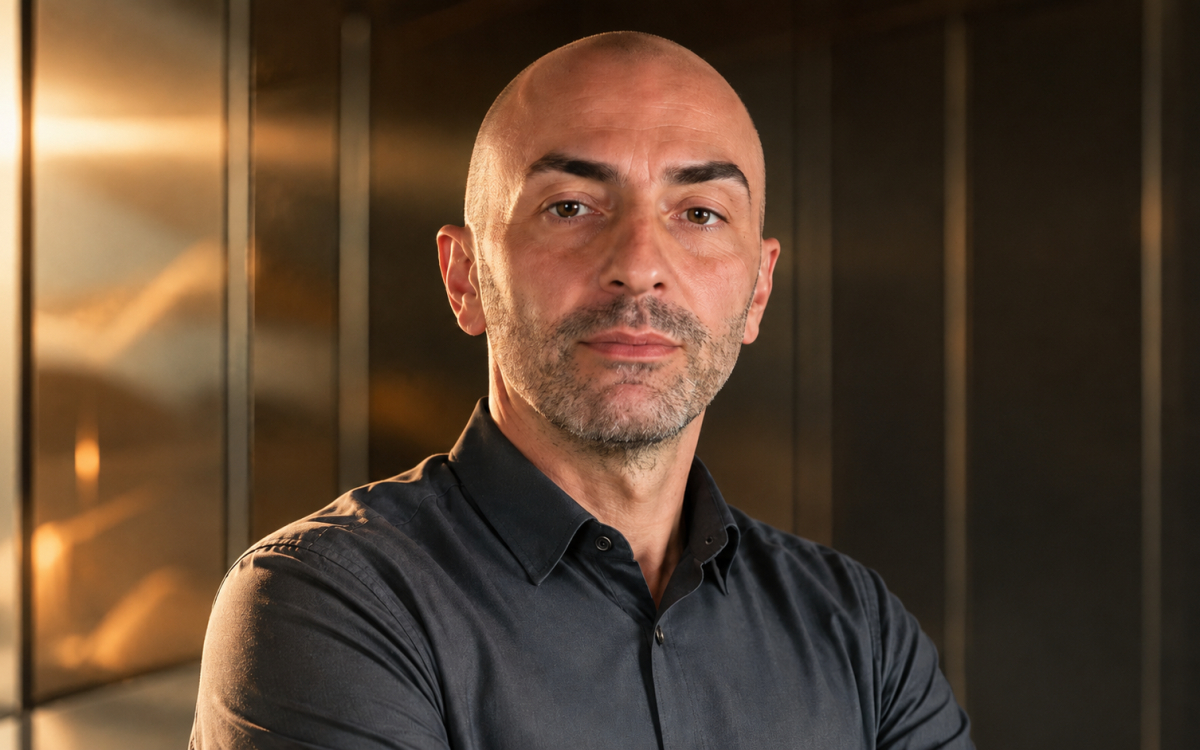
Shaw Walters is the co-creator of ElizaOS and Eliza Labs, an open-source framework for building AI agents that has become one of the more widely used tools in the crypto AI agent sector. He is known for arguing that agent infrastructure should stay open, auditable, and forkable rather than controlled by a small number of companies, and for building Babylon, a simulated environment where AI agents trade, deceive, and build reputation to generate training data for more trustworthy models.
Who Is Shaw Walters?
Shaw Walters entered the blockchain space through game development, drawn to questions about how digital assets and characters could move across different platforms. That work led him into NFT projects, where he worked as an independent developer and partnered with brands that were new to crypto, and eventually to learning Solidity and exploring how AI could connect with on-chain identity and wallets.
His interest in AI started before ChatGPT existed. Walters tested GPT-3 early on and saw it as a major advance. By late 2021, he was earning a living building AI-driven virtual characters and smart agents alongside his NFT work, at a time when few connected intelligent agents to blockchain. He later led development at Webaverse, building AI characters for a metaverse project until a hack drained its treasury; Webaverse then became MoeMate, focused on AI characters.
From there, Walters moved through projects including MagicML and Project 89, then co-founded Magic, an open-source agent initiative. When users asked for direct help instead of Magic’s planned no-code tool, he built Eliza as a working example, later dropping the no-code approach entirely. He sustained himself through other work while pushing Eliza forward into what became ElizaOS and Eliza Labs.
He is one of several builders profiled in our crypto personalities hub for leaders in AI and blockchain.
Shaw Walter’s Career and Contributions
Walters’ career spans several distinct projects, each building on the last toward the same goal: trustworthy, open AI agent infrastructure.

ElizaOS and Eliza Labs
Walters is a co-founder of Eliza Labs and co-creator of ElizaOS, the open-source agent framework that grew out of his earlier work on Eliza inside the Magic project. ElizaOS is built to enable developers to create AI agents that can maintain personalities, interact across platforms, and operate with a degree of autonomy rather than function as scripted chatbots.
Babylon
His more recent project, Babylon, extends that work into agent training. Babylon is a simulated city where AI characters trade, lie, scam each other, and build reputation depending on how well they navigate asymmetric information games.
In an episode of Funding the Commons on April 10, 2026, Walters said this setup exists because trustworthy agent behavior cannot come from rules, prompts, and sandboxes alone. He argues the behavior has to be trained into the model itself, and that watching which agents deceive well inside a closed information game reveals a form of intelligence worth studying directly.
Open Agent Infrastructure
Across ElizaOS and Babylon, Walters has consistently pushed for agent infrastructure that stays open by default: open for anyone to check, open for anyone to copy and build on, and not owned by just a few companies. He has framed games and simulated environments like Babylon as the testing ground for how autonomous agents will eventually behave once they operate in real markets and social platforms.
A Single Throughline
Taken together, his body of work traces a single line: from an independent NFT developer teaching himself Solidity, to an early tester of GPT-3, to a builder of AI-driven virtual characters at Webaverse and MoeMate, to the co-founder of an open-source agent framework that now underpins a meaningful share of the AI agent sector’s activity.
Each step fed the next, with the setbacks along the way, including the Webaverse treasury hack and the shutdown of the no-code tool at Magic, pushing him toward more direct, hands-on approaches rather than away from the work.
Shaw Walter’s Views and Positions
Walters has been vocal about the incentive structure behind ad-driven social platforms. Speaking to CCN in an interview with Dr. Lorena Nessi published March 4, 2026, he said algorithmic feeds are controlled by parties with a financial incentive to profit from users, especially once users can deploy agents that filter content and strip out ads.
He proposes personal AI agents that pick content based on what a person wants, cut out ads, and reduce the need for social platforms altogether. He told CCN this change will happen faster than most people think.
He has also described an “Android moment” for AI, where agents move beyond chatbots and start working on their own. He also supports an “anti-attention economy,” where AI agents save people time by avoiding ad-driven platforms. At the same time, he has questioned whether social media platforms and even blockchain will remain as important if AI agents can interact directly with one another.
Walters connected these ideas to bigger changes in labor, including pressure on gig work from automation and questions about how far that automation should go. He also referenced hyperstition, the idea that shared belief can shape which technologies take hold. He described his overall outlook as optimistic, pointing to decentralization beyond finance as one path through the changes ahead.
Frequently Asked Questions
Have more questions about Shaw Walters and his work? Here are answers to what people ask most often.
What is ElizaOS?
ElizaOS is an open-source framework, co-created by Shaw Walters, that lets developers build AI agents with distinct personalities capable of operating across multiple platforms. It grew out of Walters’ earlier project, Eliza, which he built inside the Magic framework.
What is Babylon, and why did Shaw Walters build it?
Babylon is a simulated city of AI agents where characters trade, deceive, and build reputation through information games. Walters built it, per his April 9, 2026, talk at Funding the Commons, to show that trustworthy agent behavior must be trained into the model, not added through rules or prompts.
What does Shaw Walters believe about social media algorithms?
Walters has argued, in a March 4, 2026, CCN interview, that ad-driven platforms depend on algorithms controlled by parties with a financial incentive to profit from users. He has proposed personal AI agents as an alternative that filters content based on individual preference rather than platform design.
How did Shaw Walters get into crypto and AI?
Walters entered blockchain through game development and NFT work, where he learned Solidity and began exploring AI’s connection to on-chain identity. He joined early GPT-3 testing before ChatGPT’s release and was building AI agents for a living by late 2021, later working at Webaverse before co-founding Magic and building Eliza.