Key Takeaways
- In the most common scenario, traders sell their tokenized stock for USDT to use in another trading product, like margin or futures trading. This is because of capital inefficiency and market fragmentation of the markets.
- Tokenized stocks only recently merged with crypto in the second to third quarter of 2026, and we are now starting to see platforms build features for tokenized stock traders in Decentralized Finance (DeFi) that let them use the asset as collateral to borrow stablecoins and as margin for trading, without having to sell the tokenized stock holdings in the first place.
- If you are a beginner trader reading this article, I suggest you avoid using your stock holdings as collateral to avoid liquidation, unless you really know what you are doing.
Imagine being a trader in two asset classes like U.S. stocks and crypto anywhere before 2026. If the crypto market is gaining momentum, you usually sell your stock positions, cash them out, and convert them into stablecoins.
And when the U.S. stock market shifts to positive momentum while crypto is in the dumps, you dump your crypto assets and transfer them to your stock broker platform.
Do you see the capital inefficiency and market fragmentation there? Now that stocks and TradFi have converged with crypto in the form of stock tokens in 2026, traders and investors do not need to sell their current assets just to move to another asset class. They can just use their assets as collateral.
I will discuss how you can use your current tokenized stock holdings in Decentralized Finance (DeFi) without ever having to sell them. But before we go any further, I do want you all to know that this guide is not meant for beginners. Even with more than nine years of experience in the financial markets, I have never once tried to collateralize my current positions unless I really need to.
While I understand the theory and concepts behind this topic, it does not fit my investing style. So please make sure you know what you are doing.
How does using tokenized stocks as collateral work?
There are actually two main reasons why investors use their tokenized stock holdings as collateral.
Borrowing stablecoins without selling stocks
For this example, let’s assume an investor bought tokenized Nvidia stock during the crash and is up considerably. However, he/she does not want to sell his/her holdings because he/she thinks the price could still go higher in the coming months.
At the same time, the investor has been interested in earning interest in DeFi lending pools. So instead of selling his/her Nvidia tokenized stock, he/she uses the asset as collateral in order to borrow stablecoins and use those stablecoins to work by staking them in a lending pool and earn interest from it.
Use as margin for trading without selling
The second example now points to traders. In the same scenario, he/she bought Nvidia at a very low price and still expects for the stock to go up in the next several months. He/she also has a separate trading portfolio for short-term futures trades.
The trader does not have to sell his/her tokenized stock assets back to USDT, since the tokenized stock itself is already the “margin” or capital needed to meet contractual obligations in futures trading.
DeFi platforms that support tokenized stock collateral
Now that you have grasped the concept of what it means to use your tokenized assets as collateral, I will now be providing some reputable DeFi platforms that currently support tokenized stocks.
Euler Finance

Euler Finance already has a total cumulative borrow volume of more than $20 billion and $352 million supplied across its ten supported blockchains.
The platform also integrated tokenized securities and real-world assets (RWAs) in the first and second quarters of 2026 through integrations with Securitize, VanEck’s VBILL Treasury Fund, Ondo Finance, and crypto exchange Bitget’s rTokens.
Morpho

Morpho currently has total deposits of $15.8 billion and $5.5 billion in outstanding loans made by users of the platform.
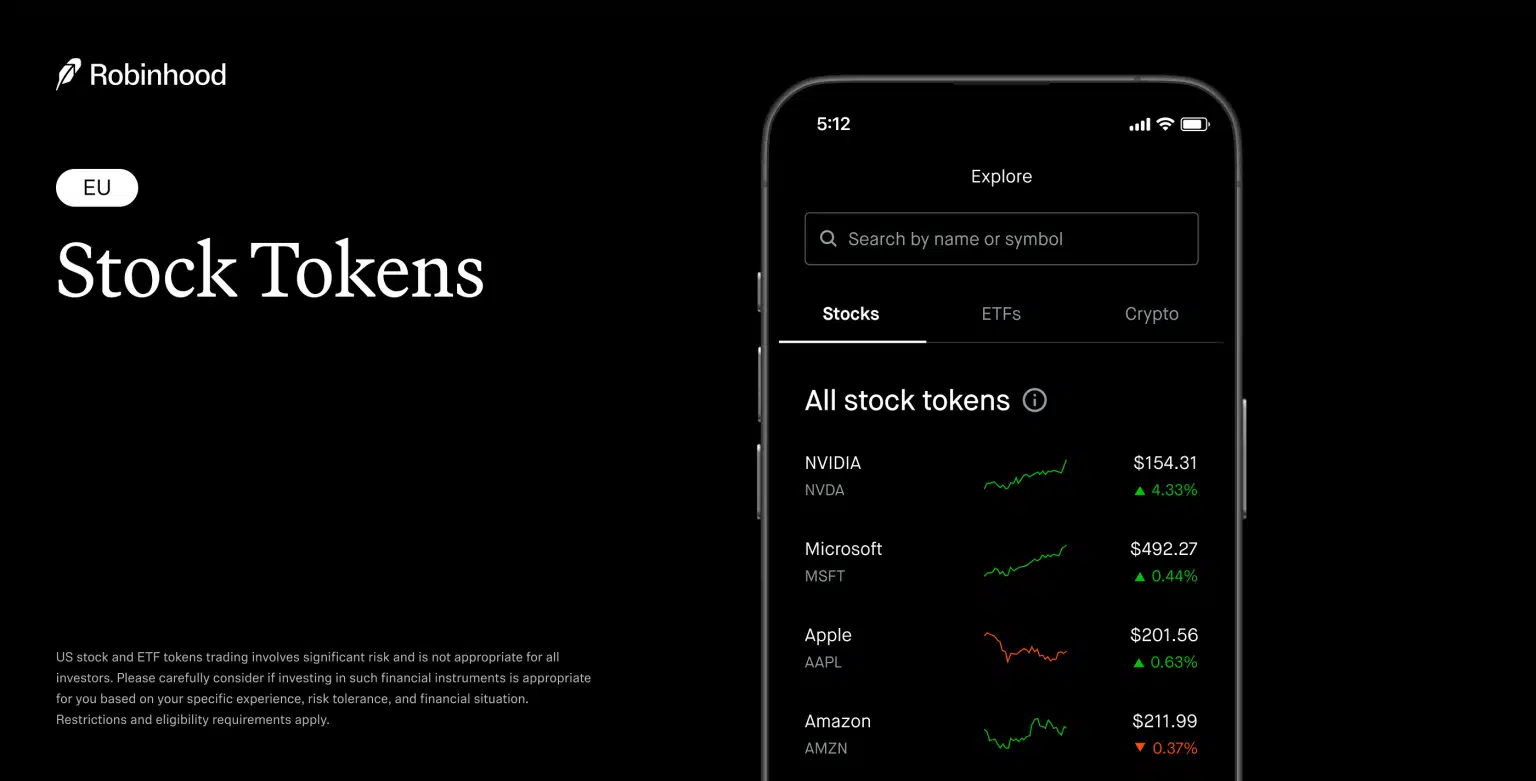
Just recently in November 2026, Coinbase Tokenized Stocks and Robinhood Stock Tokens went live on the platform, so if you have holdings in those two brands, then definitely use Morpho.
Ondo Perps
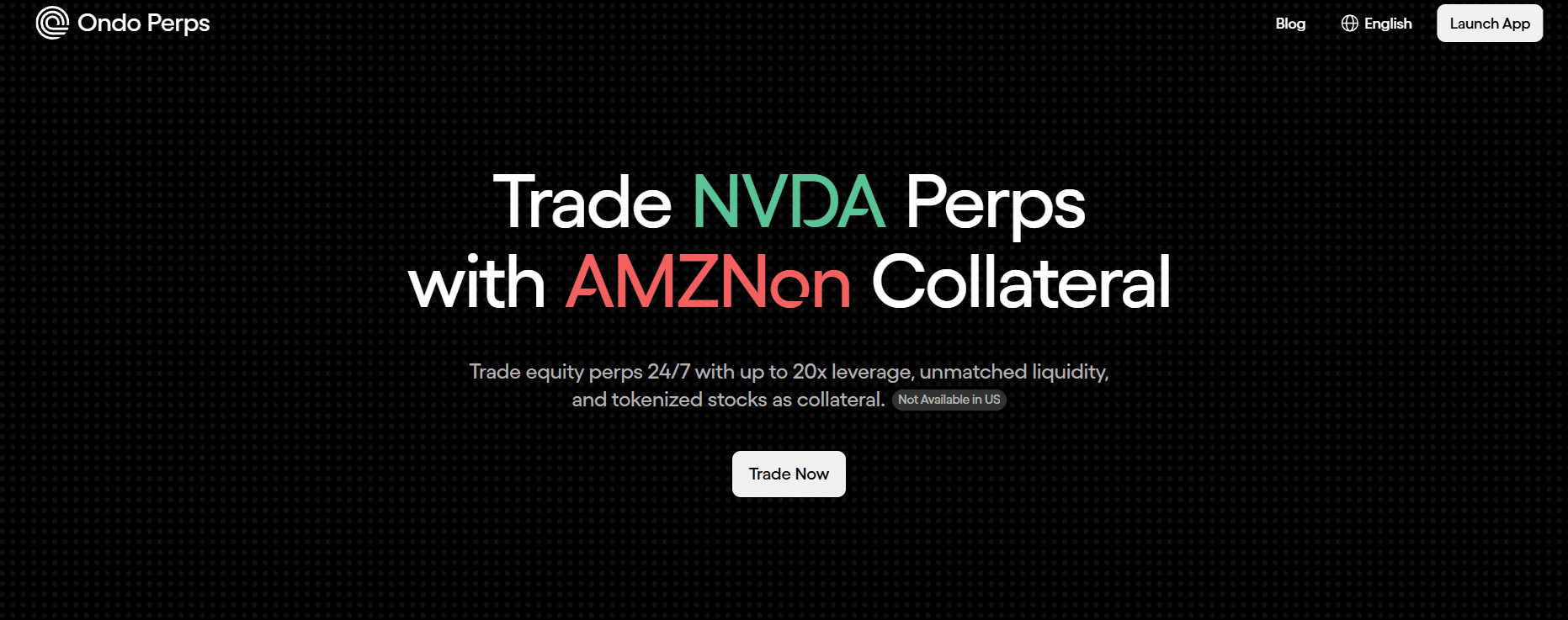
If you hold tokenized stocks from Ondo Finance, you do not need to go far when they already have a platform for collateral trading called Ondo Perps.
Usually, traders need to hold stablecoins when trading futures. But with Ondo Perps, you can use any Ondo tokenized stock (i.e., NVDAon, GOOGLon, INTCon, etcetera) as collateral when trading stock futures.
Benefits and risks of using tokenized stocks as DeFi collateral
The main benefit of all of this is that traders who own tokenized stocks do not need to sell all their holdings just to trade another product. The idea is that those holdings do not have to sit idly in your custodial wallet collecting dust.
However, the main risk is that your assets could be liquidated, of course. Another is that since you are doing this in DeFi, you are actually at risk twice. One from collateralization and another is the potential for smart contract risk.
So unless you are an advanced trader and investor who knows what he/she is doing from A to Z, I suggest you study more about collateral and risk management in general before committing to doing this.
But overall, the main concept is to help knowledgeable investors participate in other DeFi activities without selling their assets, as long as they understand the risks.
Frequently Asked Questions
Here are the most common questions from traders who own tokenized stocks but do not want to sell their assets to use another trading product in DeFi.
Do I need to sell my tokenized stocks to borrow funds?
No. With stocks now being tokenized on the blockchain, they can now be used as collateral when interacting with different trading products in DeFi. Of course, this kind of method is still risky because you are basically lending your asset to secure a loan. If your margin or futures trade goes against you, you could risk losing the tokenized stocks you used as collateral.
What happens if my collateral loses value?
If you are trading on margin, then you will get a margin call. If you are trading futures, you will most likely be liquidated. What usually happens is that the protocol or platform will sell all of your tokenized stocks in order to cover the loan.
Can I earn yield while using tokenized stocks as collateral?
Yes. The most common scenario is lending your tokenized stocks as collateral to borrow USDT stablecoins. Then you use that USDT in a lending pool to earn interest or yield. This method works only for investors who bought the stock at a very low price and are currently in profit but do not want to sell for various reasons. So it is like you are in unrealized profit and want to earn more interest on the tokenized stock you hold.
Are all tokenized stocks accepted by DeFi lending platforms?
As of this writing, no. Tokenized stocks are still very new as they just came out in the middle of 2026. Most platforms support well-known stocks with high market caps, like the Magnificent 7 (Tesla, Nvidia, Microsoft, Meta, Amazon, Google, Apple, and Meta). It will still take time before these DeFi platforms can support thousands of other tokenized stocks as collateral.
More crypto guides: Guides hub · What is cryptocurrency · What is a seed phrase · 7 crypto scams to avoid