Key Takeaways
- Stablecoins, such as USDT and USDC, are able to transfer money internationally, independent of conventional bank schedules, though the cashing-out process and transfer times are different.
- Stablecoin transactions are generally cheaper than traditional remittance services; however, this depends on the blockchain, the exchange, and the cashing-out options chosen by the recipient.
- Stablecoins are designed to be always worth 1 US dollar, but their market prices may vary at times.
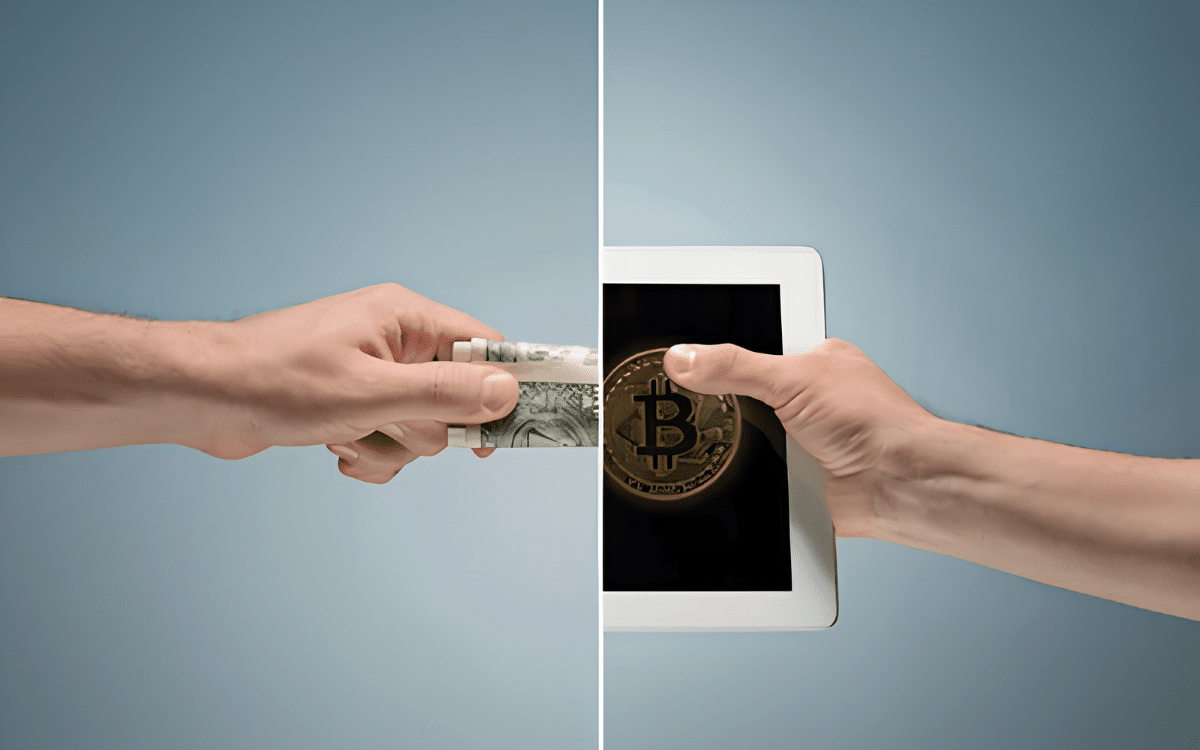
Using USDT and USDC as an alternative means of sending money abroad instead of conventional remittance services is an option for anyone who wishes to send money home without waiting for months or spending a lot of their budget.
In the remittance market, banks and money transfer companies charge a lot of money for their services, such as transfer fees, currency conversion markup, and fees charged by other banks that might take part in the process of remittance. Thus, in some cases, sending $1000 differs from $60 and more according to the country and the method used.
Stablecoins may make it possible to reduce some expenses. USDT and USDC are stablecoins that are meant to keep their value at around $1, meaning that $500 of the stablecoins will correspond to that amount of money. However, the sender must also be ready to pay for blockchain transaction fees, exchange services, and local conversion of currency.
What Sets USDT and USDC Apart from Other Stablecoins?
Nowadays, there are many stablecoins, but USDT and USDC are recognized as among the most widespread. The opportunity to be exchanged and their liquidity provide their usability for people sending money abroad.
USDT is issued by Tether and is the leader by market capitalization. It runs on many exchanges and blockchain networks worldwide. It can help the recipients exchange USDT for currency available in their country.
USDC has been issued by Circle and is also one of the most recognized dollar-pegged stablecoins. Circle publishes information on its reserve assets and issues regular reports with audits. Thus, users get information on the assets backing the USDC stablecoin.
Both of the discussed coins run on several blockchain networks. USDT runs on Ethereum, Tron, BNB Smart Chain, and other networks. On the other hand, USDC runs on Ethereum, Solana, Polygon, and other networks.
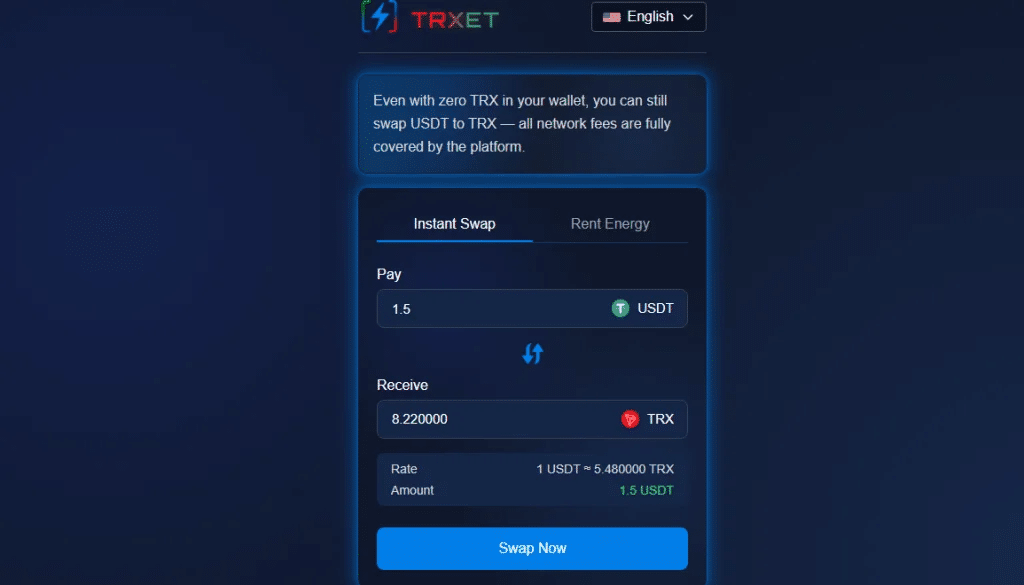
The chosen network influences the transfer price and time. This means using Tron costs less than using Ethereum when the network is overloaded, plus there are Polygon and Solana networks that can have low transfer costs as well if conditions are favorable.
Liquidity may also be important when exchanging stablecoins into fiat. One exchange may have more buyers and sellers than another, thus giving more favorable trading options, but still with different rates and commissions.
USDT vs USDC at a Glance
Here’s a table comparing USDT and USDC and their key differences.
| Feature | USDT | USDC |
| Issuer | Tether | Circle |
| Dollar peg | Designed to maintain $1 | Designed to maintain $1 |
| Market position | Largest stablecoin by market cap | One of the largest stablecoins |
| Reserve information | Publishes reserve reports and attestations | Publishes reserve reports with independent assurance |
| Network support | Ethereum, Tron, BNB Smart Chain, and others | Ethereum, Solana, Polygon, and others |
| Remittance use | Widely supported on exchanges and P2P platforms | Supported on exchanges and compatible payment services |
| Main advantage | Wide adoption and liquidity | Reserve transparency and network availability |
When to Choose USDT
It can be practical to use USDT if it is already employed by the person to whom you want to send money, and if it is supported by the local exchange.
Moreover, its general availability makes it easier to find a conversion route to the local currency. Also, USDT on Tron is quite often chosen for its low transfer fees.
Nevertheless, the fee levels may depend on network conditions, wallet specifications, and used services.
When to Choose USDC
USDC may appeal to people who want more information about the reserves backing their stablecoin.
Circle publishes reserve information and works with independent firms to provide assurance reports. USDC is also available on several networks, including Ethereum, Solana, and Polygon.
The actual cost and speed depend on the network selected and whether the recipient’s wallet supports it.
How Do These Stablecoins Cut Your Transfer Costs?
In traditional remittance, there may be fees for the transfer, foreign exchange margin, and charges from third-party banks, which could affect the amount that your relatives will receive.
1. Select a Cryptocurrency Wallet
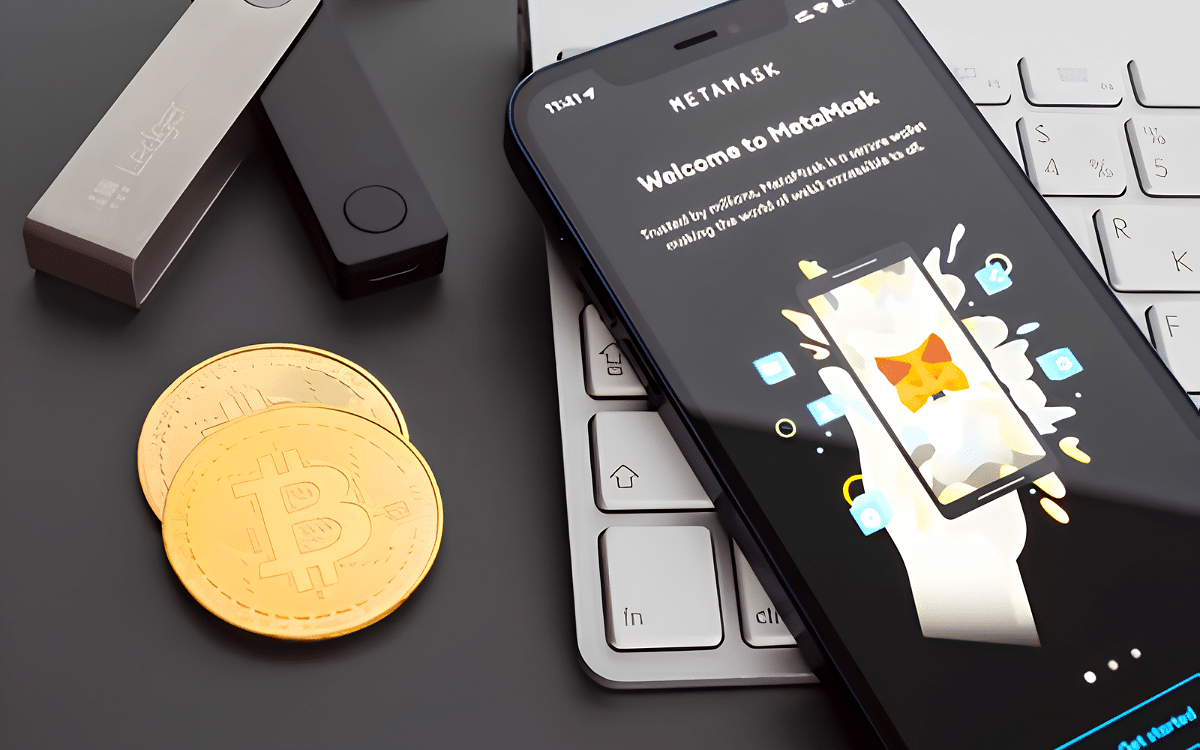
Begin with a wallet that works with the stablecoin and blockchain system you want to work with. You can use Trust Wallet for mobile devices.
MetaMask is often a popular wallet for networks based on Ethereum. Download apps for wallets only from official websites. Fake wallet apps can be used to take away your money.
2. Make a Backup of Your Wallet
Once your wallet has been created, make sure to store your recovery seed in a safe and secure manner. Make a hard copy of your seed and keep it securely stored away from other people’s access. Whoever has the recovery seed can access and take money from your wallet. Check out our article on how to make a backup and restore a cryptocurrency wallet.
3. Acquire USDT or USDC
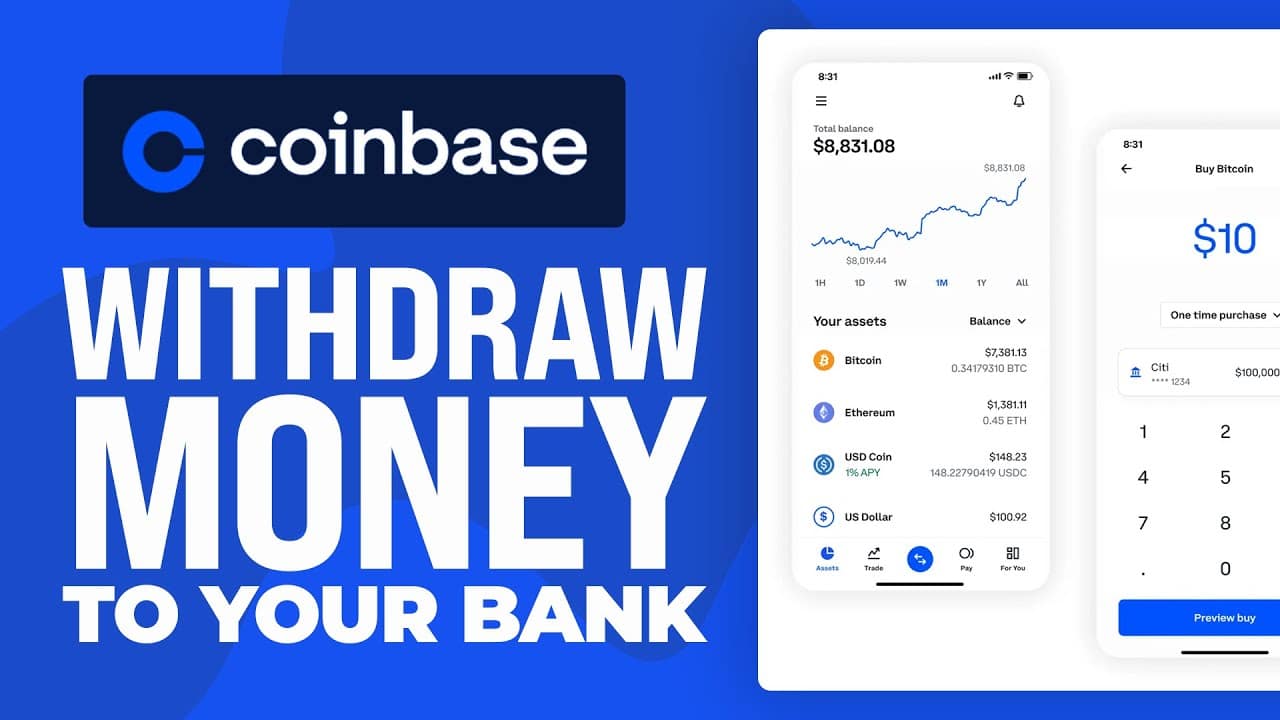
Acquire stablecoins via exchanges offering services in your location. Websites like Coinbase and Binance provide buying options for cryptocurrency in many areas. Bank transfer, debit card, or any other means of transaction may vary as per your location and account.
4. Send the Stablecoins to Your Recipient
Obtain the wallet address of the recipient and confirm the type of stablecoin they have in their wallet. Make sure that you do not make any mistakes when typing the address since, in most cases, transactions made via blockchain are final. Should it be your first money transfer, I suggest you try transferring a small amount first.
5. Convert the Stablecoins into Local Currency
Once the money is in their hands, the recipient should find a P2P or an exchange platform that they can use to carry out the process. It is very important to compare exchange rates on the available platforms before attempting the conversion. The amount received will differ on the various platforms.
6. Make Your Wallet Secure
When creating a password, try to use the strongest combination and make use of two-step verification. It is important that recovery words be stored offline and kept private. Always check the address and the network of the recipient before sending money. For more information on how to protect your funds, refer to our guide.
What Risks Should You Know About?
Stablecoins help make global transactions easier, but they come with risks.
Mistakes with Wallets or Networks
When using crypto wallets, users have to enter or choose the correct address and the type of network. If the recipient’s address is incorrect or if the network is not supported, the funds may be lost forever.
Unlike many traditional transfers, blockchain transfers generally cannot be reversed after they have been confirmed. If you don’t know what you are doing, it’s wise to send a small amount of money first.
Stablecoin and Market Risks
The objective of USDT and USDC is to hold a value close to $1. Their market prices can rise above or fall below this amount for a short period. Moreover, stablecoin issuers face other kinds of risks, including reserve, operational, and regulatory ones.
In this regard, it is essential to remember that pegs of the dollar do not guarantee the possibility of withdrawing full amounts by all customers. Therefore, holders of stablecoins should consider these risks before putting large amounts into this kind of digital currency.
Local Regulations
The regulations governing cryptocurrencies are not the same across all countries. There are places where stablecoins can be used, while there are also those where this is not allowed. Research the regulations of your city if you want to transfer or get cash.
Cash-Out and Exchange Risks
There is no certainty that receiving stablecoins means that the recipient can convert them into cash immediately. There can be variations in the levels of liquidity offered by local exchanges and peer-to-peer platforms, apart from differences in fees and the processes of withdrawal. Therefore, decide the payment method based on the amount of money your receiver can receive.
Fraud and Wallet Safety
Scammers could impersonate the officials of wallets and exchanges or even impersonate relatives and ask for recovery phrases, passwords, and verification codes related to your wallets. Never divulge any of the information stated above.
Frequently Asked Questions
Here are the most common questions about using USDT and USDC for international remittances
Are USDT and USDC cheaper than traditional remittance services?
It may depend on a couple of variables: network fees, cash-out methods, and exchanges. However, while stablecoin transfers may save on some traditional transfer fees, the transaction is not completely free: there may be network fees, conversion costs, and withdrawal fees. Before you send money, make sure to check what your recipient will actually get in their hands, instead of just comparing fees.
How long does it take for USDT or USDC to reach overseas?
The length of transaction processing time depends on the verification of the transaction as well as on the bandwidth of the network that is being used. As a result, the length of the transaction will increase because the person who receives the funds needs to verify their identity or exchange USDT for fiat currency.
Can I transfer USDT to a wallet that holds USDC?
Only if the receiving platform accepts USDT and the network you are using. USDT and USDC are different tokens, and sending USDT to a wallet with an address that only supports USDC or through an unsupported blockchain network will result in losing all the funds. It is important to double-check the details of the transaction before making it.
More crypto guides: Guides hub · What is cryptocurrency · What is a seed phrase · 7 crypto scams to avoid