
Long before Ethereum became one of the largest cryptocurrencies by market value, a small group of people made an early bet on it, some as its own builders, others simply as early believers with capital to put behind it. Their names still come up whenever people discuss Ethereum’s history.
Ethereum is more than just a cryptocurrency. It is a platform that supports many blockchain projects, including smart contracts and decentralized applications, making it a key player in bringing cryptocurrency to a wider audience.
Investing in the second-largest crypto by market cap involves real risk, but several well-known figures, including some of its founders, chose to do so anyway; their reasons vary widely, from building the network itself to recognizing its potential early and backing it financially.
Vitalik Buterin

Vitalik Buterin is the creator of Ethereum and one of the most recognized figures in the crypto space. He is very wealthy, but his focus has never centered on money. He is more interested in using technology to solve problems.
While he has not publicly revealed how much Ethereum he owns, it is still a considerable amount. He has invested money in Ethereum and spends a great deal of time and energy working on it, leading a team of developers improving the Ethereum network.
Many companies also follow Vitalik’s public commentary on where Ethereum development is heading. Our earlier coverage of Buterin’s updated quantum-safety and privacy roadmap covers his continued involvement in the space.
Joseph Lubin
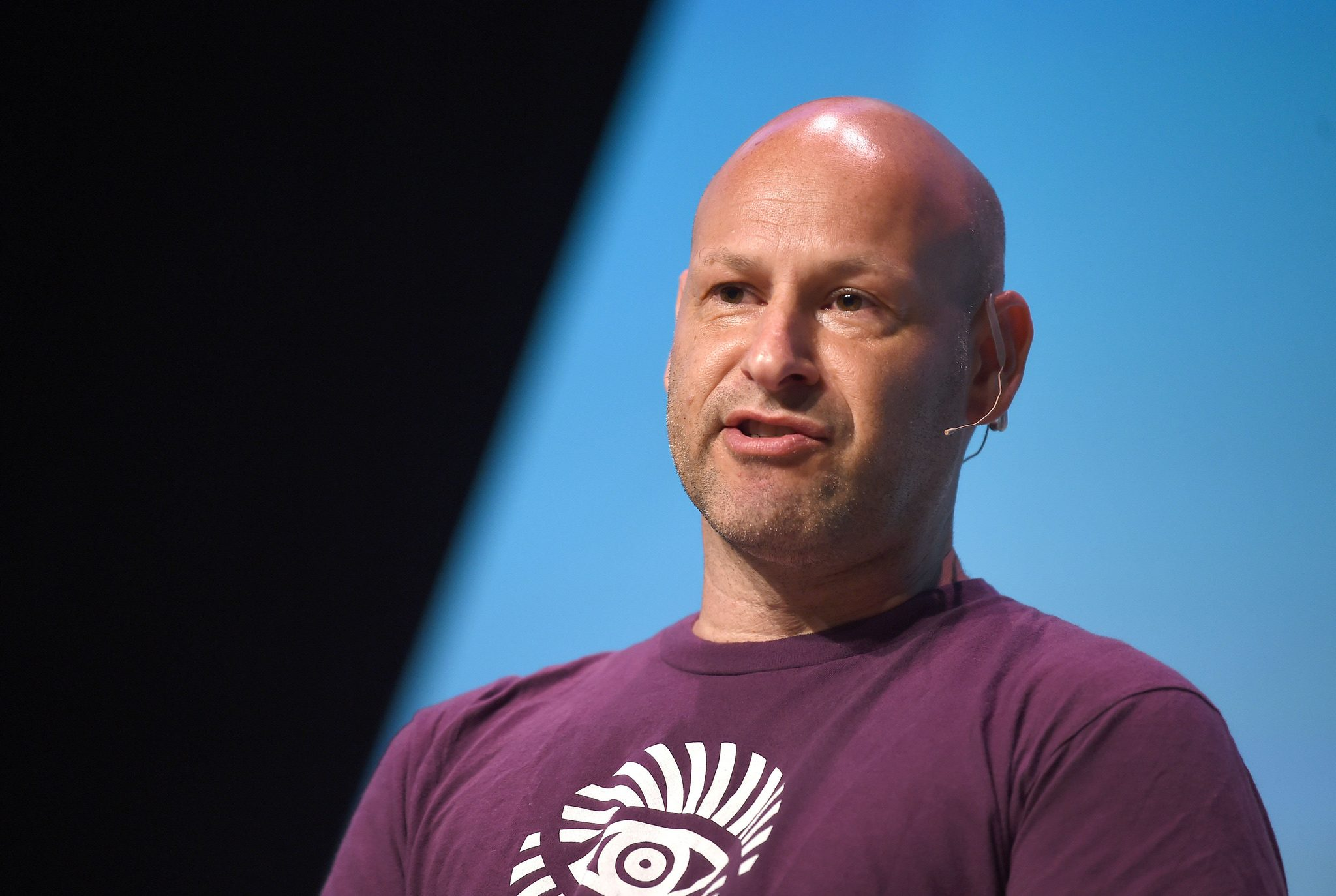
Joseph Lubin is a well-known figure in blockchain technology, as he helped start Ethereum and later founded ConsenSys, a company that builds applications for the Ethereum network.
He has also been involved in groups working on blockchain governance. For him, investing in Ethereum has meant funding new services, new solutions, and the broader growth of the Ethereum ecosystem rather than simply holding the asset.
Cameron and Tyler Winklevoss
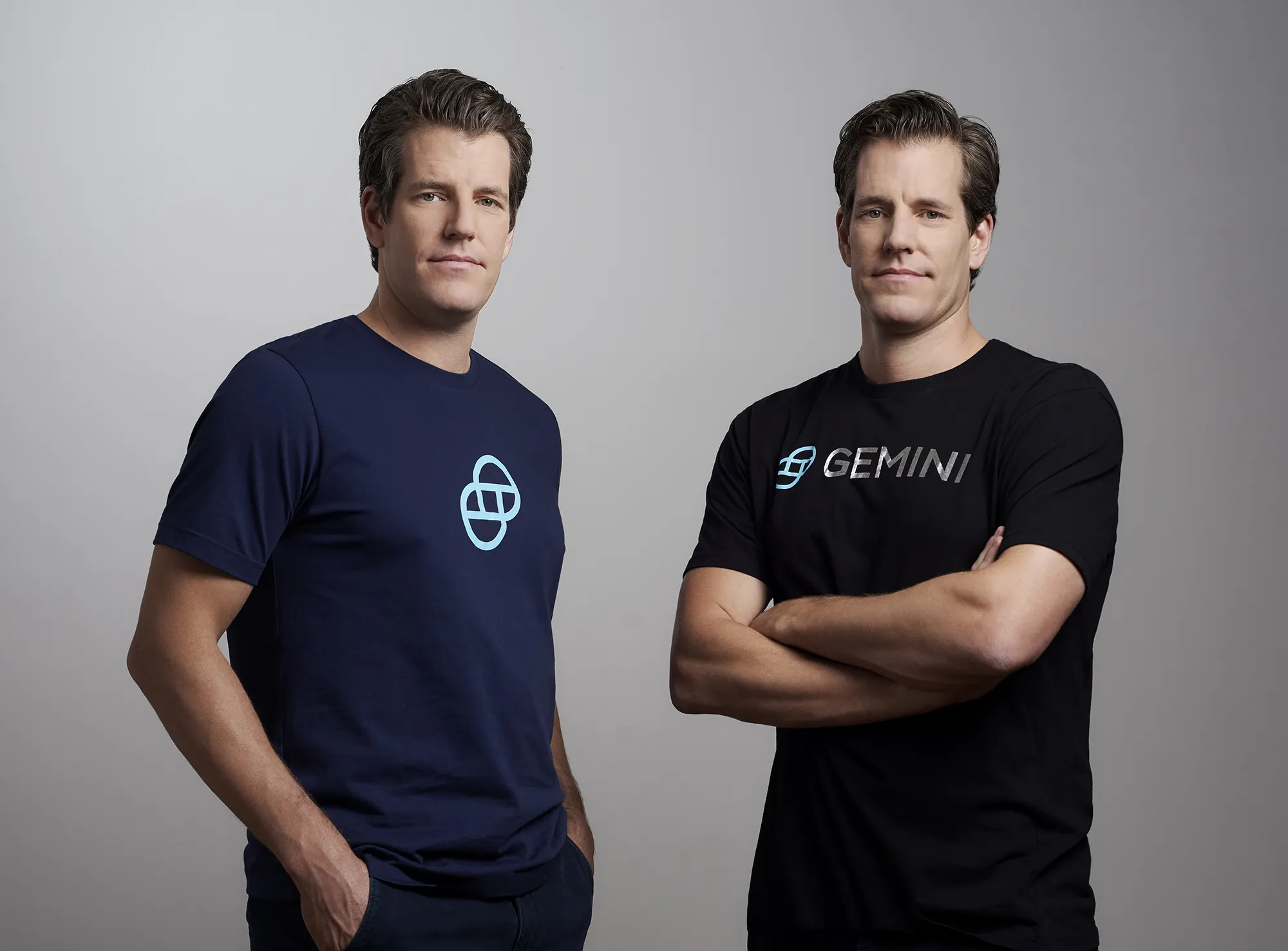
Cameron and Tyler Winklevoss are widely known for their early connection to Facebook, but they have since become significant cryptocurrency investors.
After a legal settlement with Facebook founder Mark Zuckerberg, the twins used part of that money to invest in Bitcoin early, when it was still relatively inexpensive, before later expanding into Ethereum and other cryptocurrencies.
The Winklevoss twins have said they see Ethereum’s core value in its underlying network rather than in any specific token built on top of it. They also founded Gemini, a cryptocurrency exchange.
While they have not publicly disclosed how much Ethereum they hold or whether they have sold any, they remain influential figures in the broader cryptocurrency industry regardless of which specific assets they choose to back.
Charles Hoskinson

Charles Hoskinson was involved in Ethereum’s early development. He later became the lead figure behind Cardano, a separate public blockchain platform, and has also worked on Ethereum Classic, positioning both as alternatives to Ethereum itself.
As one of Ethereum’s early contributors, Hoskinson was an early investor as well, though he has not disclosed the specific amount he put into the project. Ethereum has since found itself competing directly with Cardano and other networks he has helped build.
Like Lubin and Buterin, Hoskinson invested his time and technical skill in Ethereum in its early days, and that early involvement helped shape the cryptocurrency industry we see today.
Frequently Asked Questions
Need a refresher? Here are the questions readers often ask about Ethereum’s most notable early investors.
Do any of these investors still hold Ethereum today?
Most have not publicly disclosed their current holdings. Vitalik Buterin and Joseph Lubin remain closely tied to Ethereum’s ongoing development, while the Winklevoss twins and Charles Hoskinson have expanded their focus to other projects, including Gemini and Cardano, respectively.
Are the Winklevoss twins still active in cryptocurrency?
Yes. Beyond their early Bitcoin and Ethereum investments, they founded and continue to operate Gemini, a major cryptocurrency exchange, and remain visible figures in industry discussions.
Is Charles Hoskinson still connected to Ethereum, or has he moved on entirely?
He has largely moved his primary focus to Cardano, though his early involvement in Ethereum remains part of the network’s founding history.
Why do early Ethereum investors matter to someone just learning about crypto?
Their stories illustrate how much conviction and risk tolerance early crypto investing required, since Ethereum’s long-term success was far from guaranteed when these figures first got involved. Understanding that history can help set realistic expectations about the risk involved in newer projects today.
What made someone willing to invest in Ethereum before it had any track record?
Most early investors point to a belief in the underlying idea rather than any proof the network would succeed, since Ethereum had no history of adoption, security, or real-world use when these figures first got involved. That kind of conviction, backed by a willingness to accept real risk, is a common thread across most early crypto investment stories, not just Ethereum’s.