Key Takeaways:
- CoinStats and Delta connect to hundreds of exchanges and wallets (300+ and 200+) for automated portfolio tracking with live price alerts
- Zerion and DeBank provide on-chain DeFi tracking that captures yields and liquidity positions
- CoinMarketCap offers the best free solution while Kubera serves high-net-worth investors
As of October 2026, the top-rated apps for tracking crypto prices and portfolios are CoinStats and Delta for automated tracking across hundreds of exchanges and wallets, CoinMarketCap as the strongest free option, Zerion and DeBank for on-chain DeFi positions, CoinGecko for detailed project data and Kubera for high-net-worth investors. CoinLedger handles tax reports.
Tracking crypto across different wallets and exchanges gets complicated quickly. You need accurate prices, clear profit calculations, and organized transaction history all in one place. The right app handles all this automatically while saving you hours each month on manual calculations.
Modern trackers do more than just show token prices. They sync with your exchanges through secure connections and monitor DeFi positions across multiple blockchains. Some even generate tax reports that work directly with TurboTax and similar software. Prices and plan limits below are as of October 2026.
Which Apps Work Best for Overall Portfolio Tracking?
The market offers several strong options depending on your specific needs and investment style. Each platform brings different strengths based on what you’re trying to accomplish with your portfolio management.
Top Platforms for General Crypto Tracking
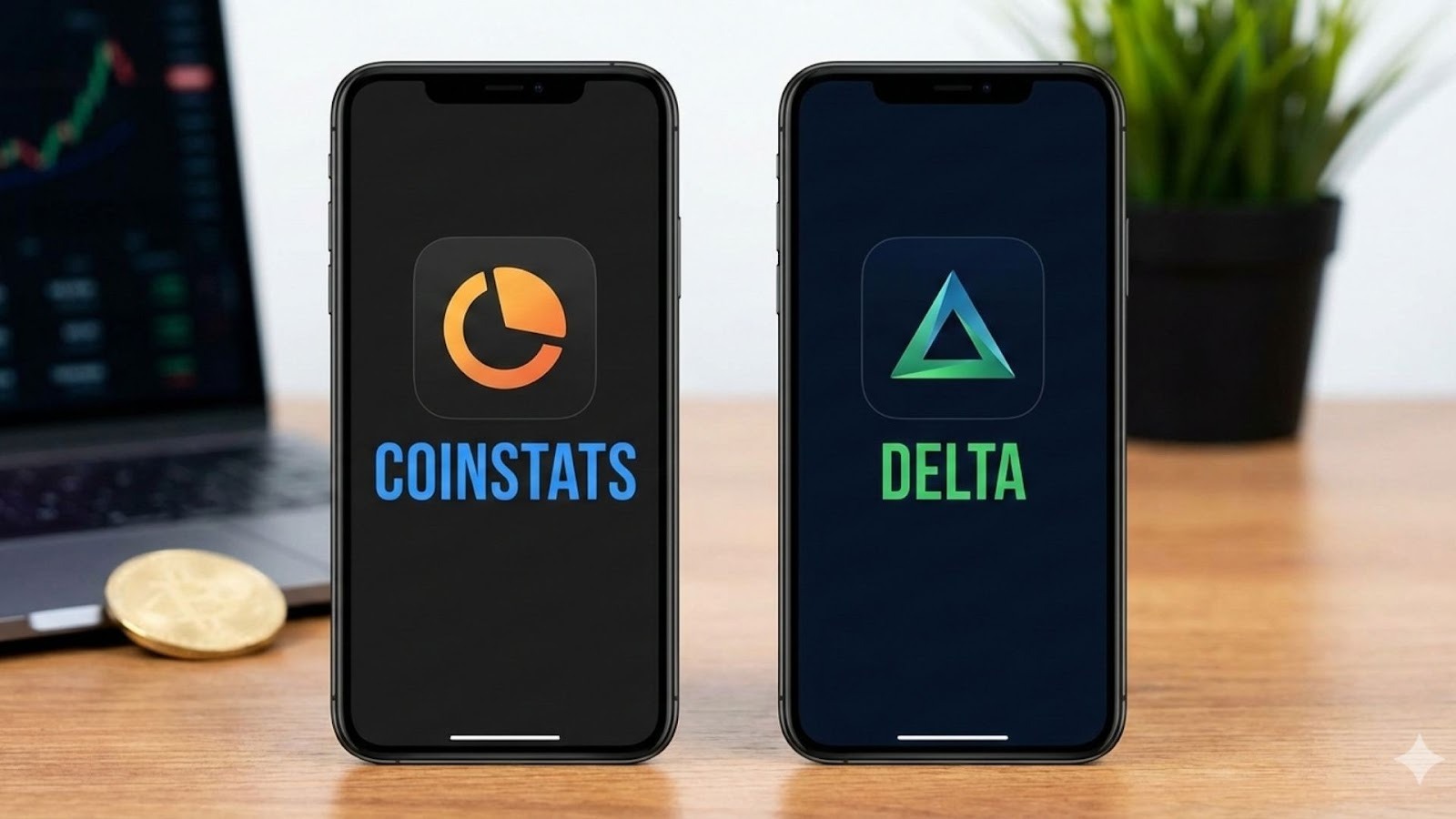
CoinStats leads the pack for most crypto holders because it connects to over 300 exchanges and wallets. You get live price updates every few minutes without having to refresh manually. The platform calculates your profits and losses automatically across all connected accounts. Its free Basic plan covers 10 portfolios and 20,000 transactions. Premium costs $13.99 a month, or less on a yearly plan, and there is a higher Degen tier.
Delta by eToro suits investors who hold both crypto and traditional stocks in their portfolio. The app tracks everything in one unified dashboard so you monitor your complete investments without switching applications. The interface stays clean even when tracking dozens of different assets. Delta Basic is free for up to 10 assets with unlimited connections. The paid PRO tier allows 40 assets, and Delta’s site lists the plan with unlimited assets at $13.99 a month or $107.88 a year.
CoinMarketCap delivers the strongest free option currently available in the market. The mobile app includes detailed market data, news feeds, and portfolio tracking without subscription fees. Historical charts, market rankings, and NFT floor prices all come at no cost.
Key Features That Set Premium Trackers Apart
Premium trackers separate themselves from basic options through several specific capabilities. Here’s what makes them worth considering for serious investors:
- Automatic syncing updates your portfolio data every few minutes without manual input
- Multi-device support keeps everything current across your phones, tablets, and computers
- Custom categories help you group holdings by strategy, risk level, or investment thesis
- Performance charts show your returns over different time periods with visual representations
CoinGecko goes beyond basic price tracking by providing granular data about each project. The platform shows trading volume comparisons across different exchanges and displays developer activity metrics. These additional details help you evaluate projects more completely than price movements alone. Its portfolio tracker is free for two on-chain wallets and 500 manual transactions. CoinGecko Premium, at $10 a month or $99.90 a year, raises that to 100 wallets and unlimited transactions and removes ads.
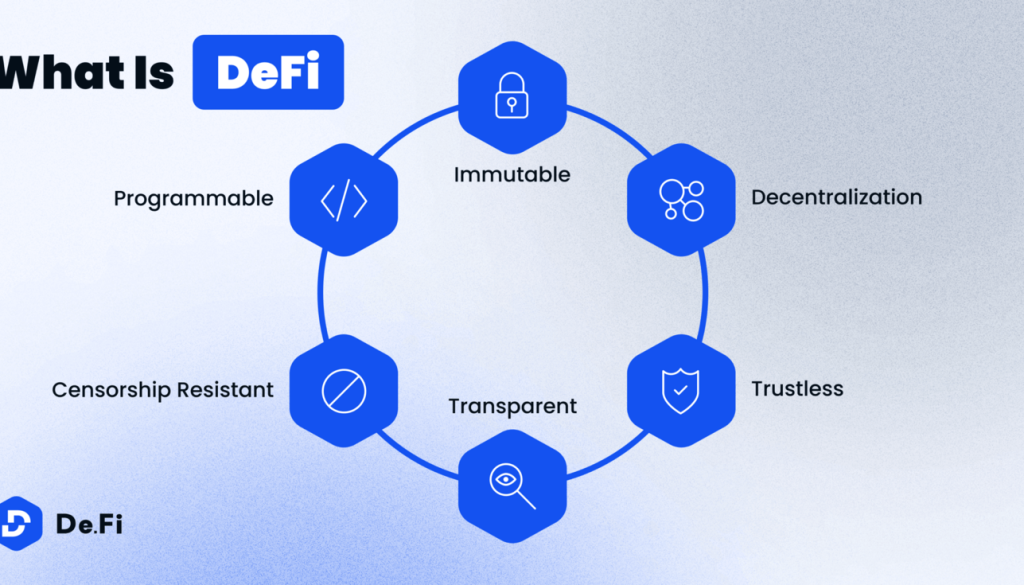
How Do DeFi Trackers Handle On-Chain Assets?
DeFi tracking requires different technology than traditional exchange monitoring because assets move through smart contracts. These specialized apps connect directly to blockchain networks to capture real-time data about your positions and activities.
Best Options for DeFi Portfolio Management
Zerion tracks your DeFi positions in real time by monitoring on-chain activities across multiple networks. The app automatically detects liquidity pools, staking rewards, and yield farming returns without manual entries. It covers Ethereum, Solana, Base, Polygon and dozens of other networks (66 in October 2026) so you see everything in one view. The app is free; Zerion Premium costs $99 a year and adds lower swap fees, P&L for any wallet and full CSV export.
DeBank provides institutional-level analytics for on-chain activities that serious traders rely on daily. The platform tracks wallet holdings and protocol interactions with detailed breakdowns of every transaction type. Professional traders use it to analyze performance patterns and identify profitable strategies.
Why On-Chain Tracking Matters
On-chain tracking offers several clear advantages over traditional exchange-based monitoring systems. These benefits become more important as you get deeper into DeFi activities:
- Real-time updates appear within seconds of blockchain confirmations instead of delayed reporting
- Complete transparency shows all wallet activity without relying on exchange limitations
- Protocol integration captures DeFi yields and farming rewards that exchanges don’t report
- Historical accuracy preserves transaction records permanently even if exchanges shut down
AssetDash tracks crypto alongside stocks and NFTs in one unified portfolio view. Its free tier now covers only Solana tokens and NFTs in up to three wallets; other chains, exchanges and brokerages need AssetDash Premium ($4.99 a month in the US App Store). AssetDash’s website now redirects to Moby, the company’s trading app, and the tracker app was last updated in November 2025.
What Should Different Types of Investors Prioritize?
Your personal trading style and investment approach determine which app works best for your situation. Different investor profiles need different features and capabilities from their tracking tools.
Active Traders vs Long-Term Holders
Active traders need minimal latency and instant alerts because timing matters significantly in their strategies. Real-time price updates become more important than historical analytics for short-term decision making. Mobile notifications for price thresholds help execute time-sensitive strategies when opportunities emerge.
Long-term holders benefit more from portfolio composition tools and performance tracking over extended periods. Clear visualizations show how your allocation changes over months or years of holding. Historical charts reveal exactly how your rebalancing decisions affected overall returns.
Professional and Institutional Requirements
High-net-worth investors need more sophisticated tracking tools than casual traders typically require. Kubera targets wealthy individuals and families who need professional-grade portfolio management capabilities. The platform monitors crypto, real estate, private equity, and traditional investments from one centralized dashboard. There is no free plan: after a 14-day trial, Essentials costs $250 a year and Black $2,500 a year.
Professional platforms include these advanced analytical tools:
- Correlation analysis shows how different assets move together during various market conditions
- Risk metrics calculate your portfolio’s volatility levels and concentration risks across holdings
- Rebalancing suggestions recommend specific trades to maintain your target allocations
- Benchmark comparisons measure your performance against Bitcoin or broader market indices
How Well Do These Apps Handle Tax Reporting?
Most portfolio trackers now handle basic tax reporting: they calculate capital gains automatically and identify potential wash sales, and premium versions add detailed audit trails and comprehensive transaction reports. That makes tax season much less stressful. For full tax reports, dedicated software such as CoinLedger goes further.
CoinLedger generates IRS-compliant tax reports directly from your complete transaction histories. The software handles complex scenarios like NFT sales, staking income, and DeFi protocol interactions automatically. Users can export forms ready for professional accountants or self-filing purposes. Portfolio tracking is free. Tax reports cost $49 for up to 100 transactions, $99 for 1,000 and from $199 for 3,000 or more, per tax year.
Which Combination Strategy Works Best?
Many experienced investors combine multiple apps for complete portfolio coverage across all their activities. This layered approach provides full coverage without relying entirely on one platform’s limitations.
Use CoinMarketCap for general market research and basic tracking needs. Add Zerion specifically for DeFi positions and farming yields. Include CoinTracking for comprehensive tax preparation and reporting requirements; its paid plans run from $49 a year for 200 transactions to $899 a year for unlimited transactions. This setup covers exchange holdings, on-chain assets, and tax compliance in one complete system.
The right tracker ultimately depends on your specific needs, portfolio size, and investment approach. Free options like CoinMarketCap work great for beginners just starting their crypto journey. More serious traders benefit significantly from premium features in CoinStats or Delta. DeFi users should definitely explore Zerion or DeBank for proper on-chain monitoring.